Regions
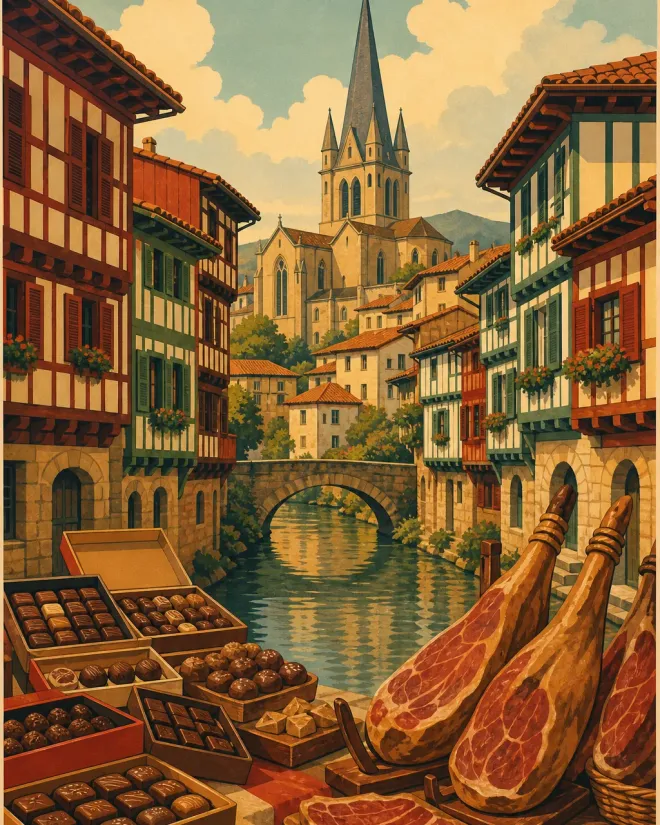
Bayonne Without the Party: Chocolate, Ham and a Moved River
Behind France's biggest fête: Jewish chocolatiers, the ham Rabelais praised, a river engineers moved in 1578 and a cathedral on the Compostela route.
Regions & terroir
Every region is a different country holding the same passport. Brittany is not Provence, and neither looks like the postcard. One scene on arrival, the specialties that actually matter, and what to know before you go — written from the terrace, not the guidebook.
Behind France's biggest fête: Jewish chocolatiers, the ham Rabelais praised, a river engineers moved in 1578 and a cathedral on the Compostela route.
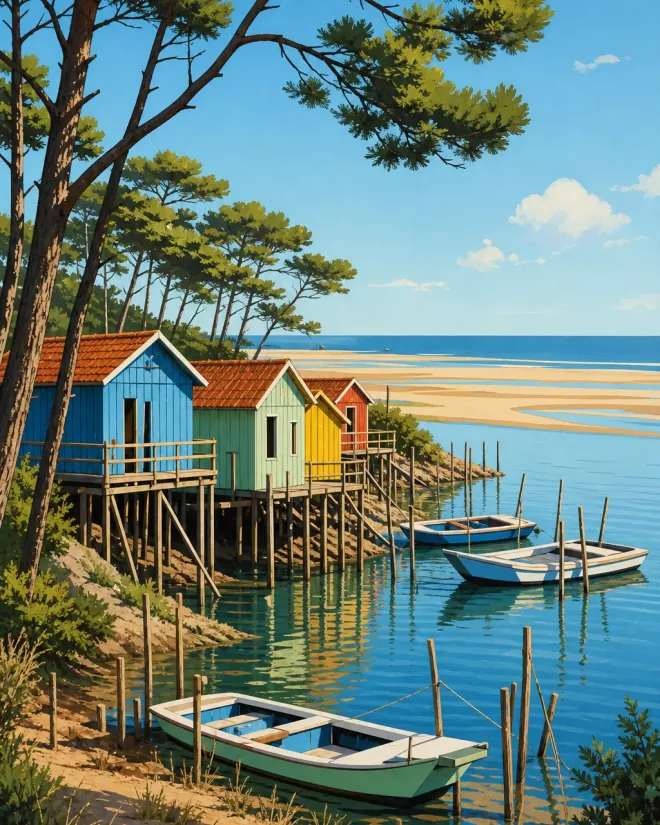
A shifting sandbar where oyster farmers settled without permission and villa money came a century later. L'Herbe, the bay's most photographed village, sits in between.
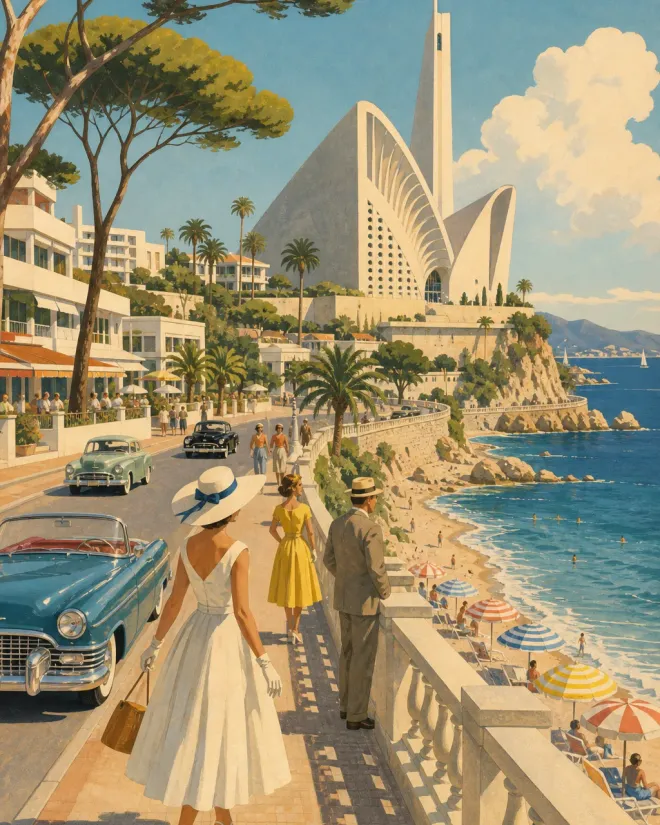
Flattened in January 1945 and rebuilt as a laboratory of modern urbanism, Royan turned catastrophe into one of France's densest 1950s architecture ensembles.
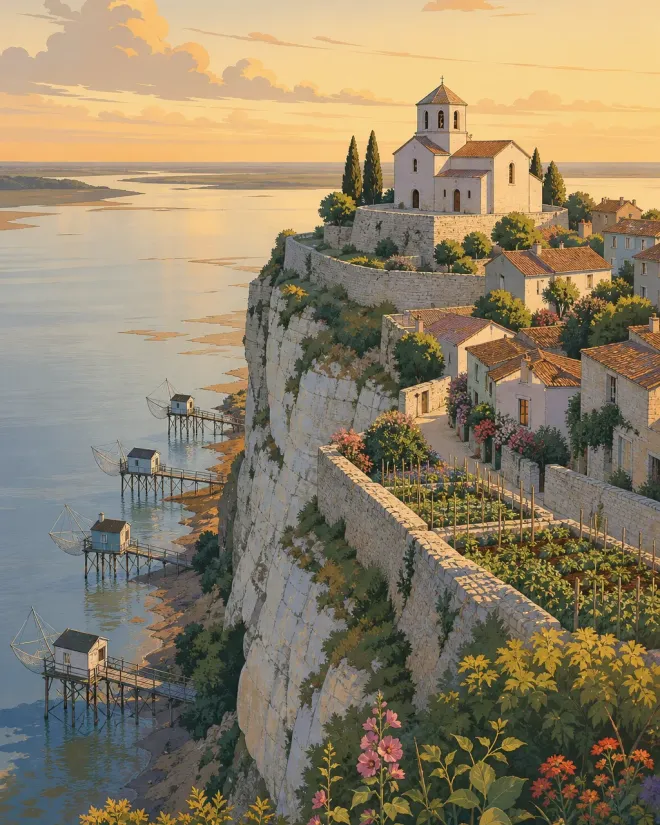
Founded by Edward I in 1284 and still following his grid, Talmont hangs above the Gironde estuary — a fortified town that settled into a village of 77.
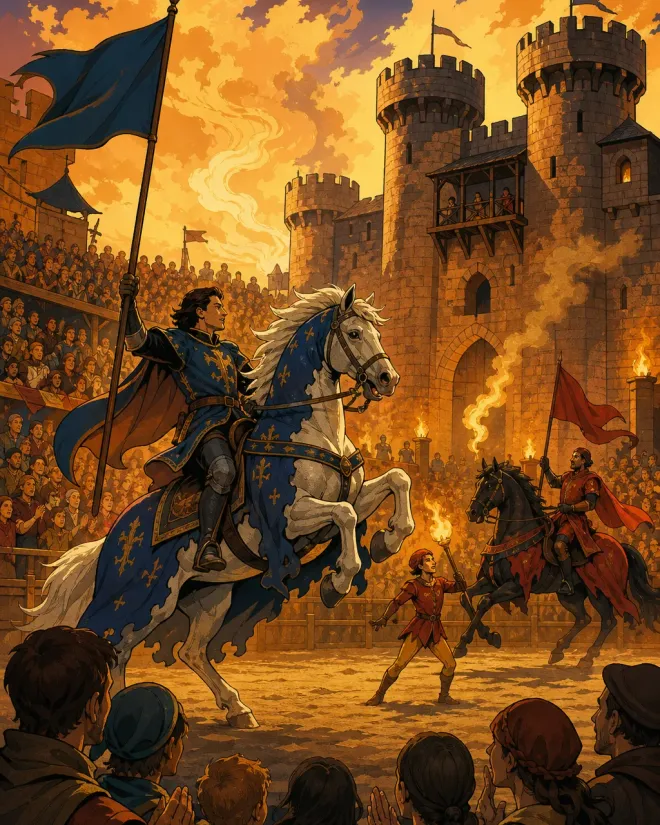
No rides, all spectacle: Vikings, eagles, horses and a night show with thousands of volunteers. How the Vendée built a theme park that runs on stories.
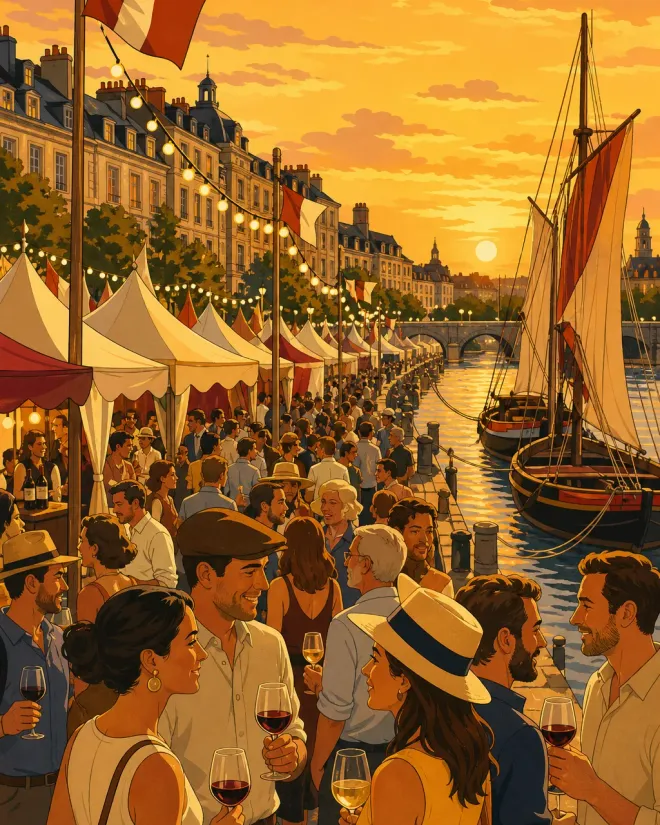
Every June, Bordeaux's Garonne quays turn into a free festival of appellation pavilions, five-centilitre pours and tall ships. How the tasting pass works.
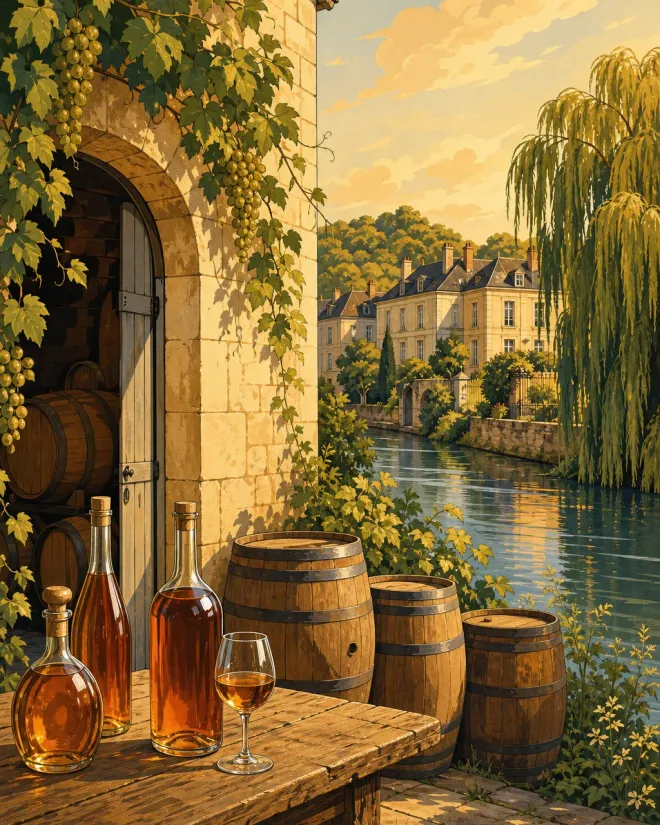
Mitterrand was born and buried in Jarnac; the town's trade is older still: cognac houses Hine and Delamain, plus pineau, the Charentes' fortified aperitif.
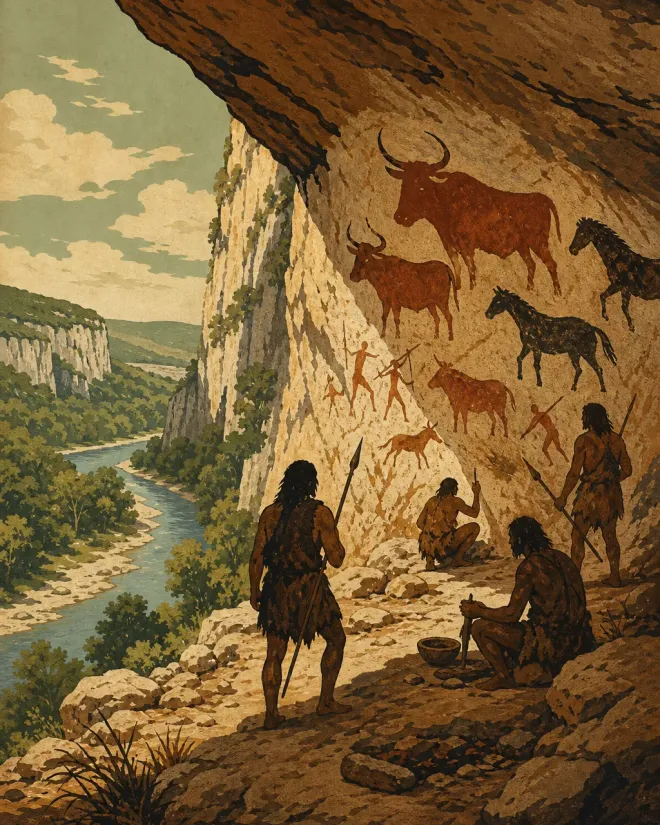
In one French valley, road workers found Cro-Magnon in 1868, teenagers found Lascaux in 1940, and the Stone Age got several of its names.
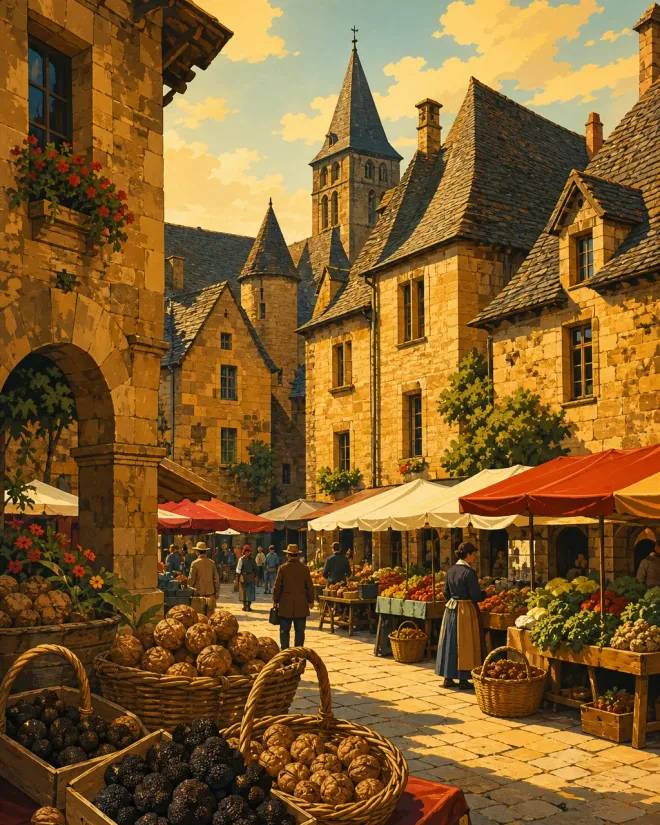
The first town in France protected under the Malraux law: golden limestone, lauze roofs, and a market that never stopped running the show.
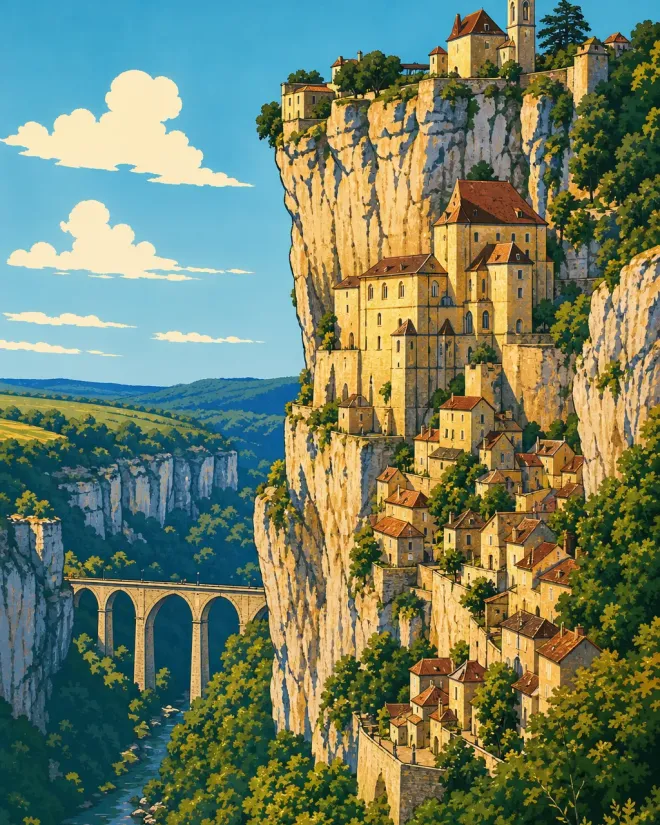
A village pinned to a cliff 150 metres above its canyon: 216 pilgrim steps, a bell said to ring by itself for sailors, and Roland's sword in the rock.
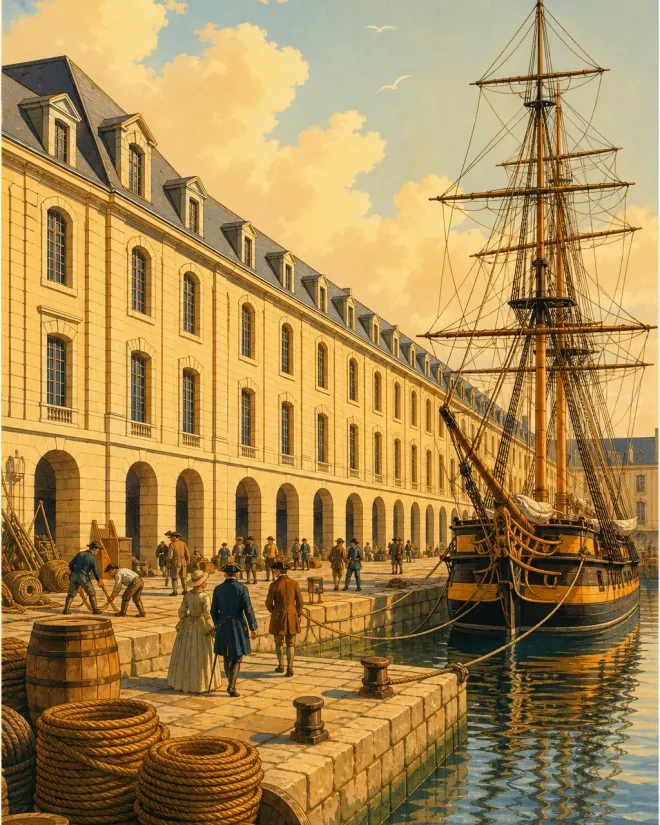
A naval city drawn from scratch in 1666, emptied by 1926, then revived by a 17-year quest to rebuild the frigate that carried Lafayette to America.
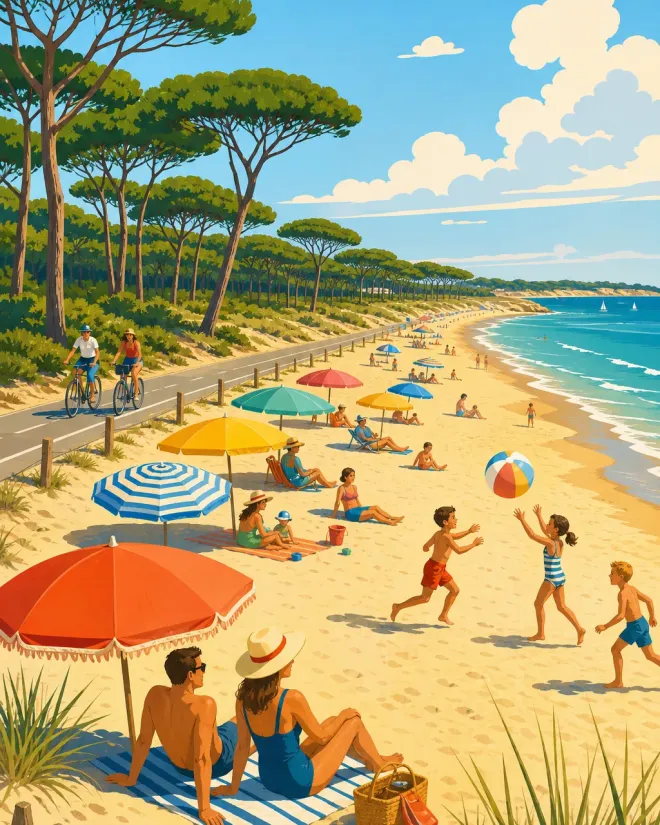
Fine sand for nearly 140 kilometers, pines behind the dunes, mimosa by the sea: why generations of French families keep coming back to the Vendée coast.
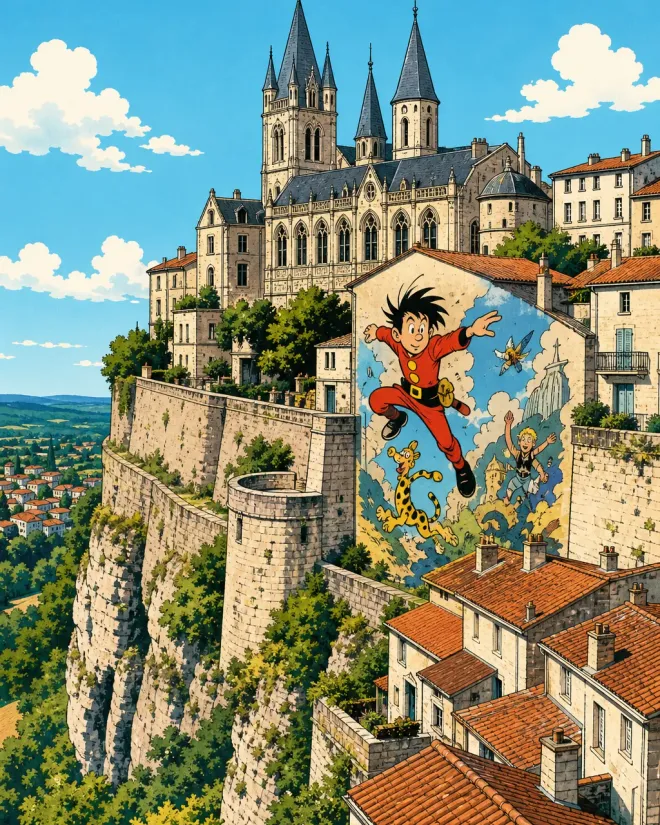
A declining mill town bet its future on comic strips in 1974. Angoulême now keeps 29 painted walls, a January mega-festival and a museum unlike any in Europe.
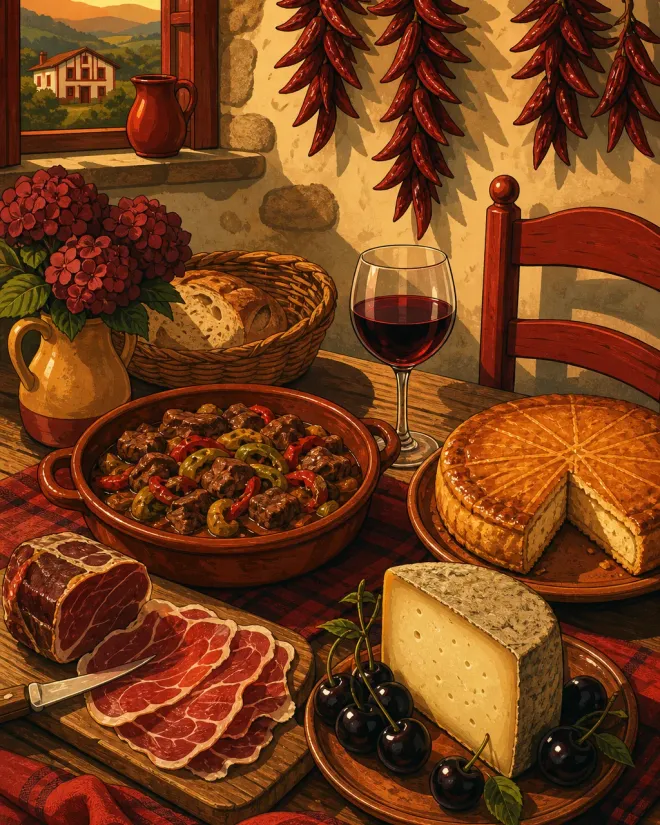
Axoa, gâteau basque, ossau-iraty and Irouléguy — how the French Basque country cooked a borderland into a cuisine, one farmhouse at a time.
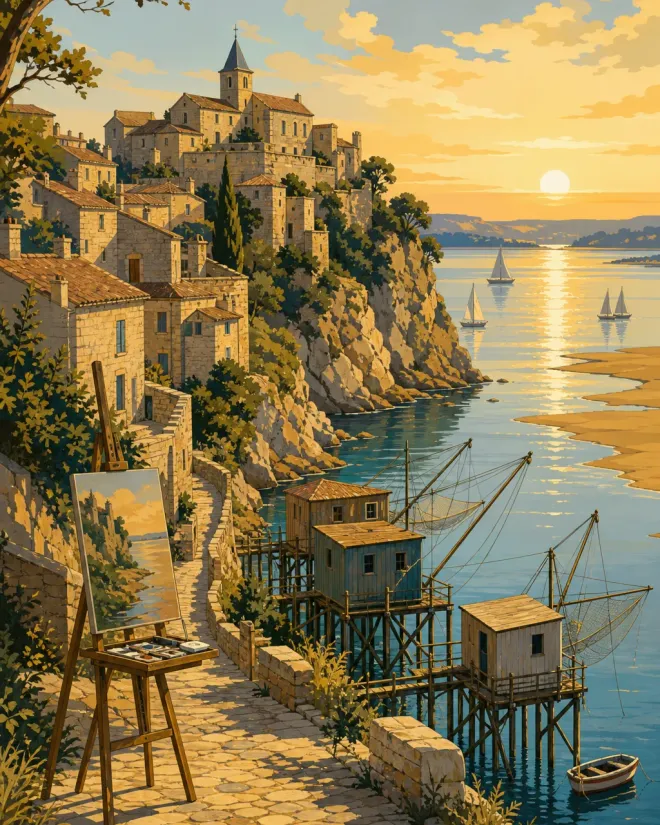
A fortified village perched above the Gironde — except the water below now says Dordogne. Carrelet nets, artists' studios and WWII fuel tanks hidden in the cliff.
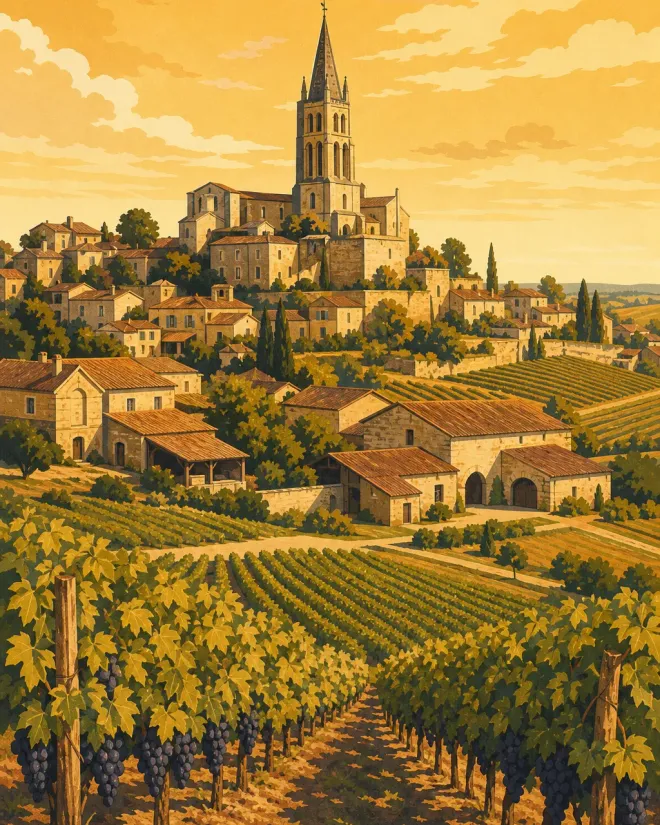
A church dug out of limestone, quarries turned wine cellars, a brotherhood born in 1199 — how one small Gironde village earned its UNESCO World Heritage listing.
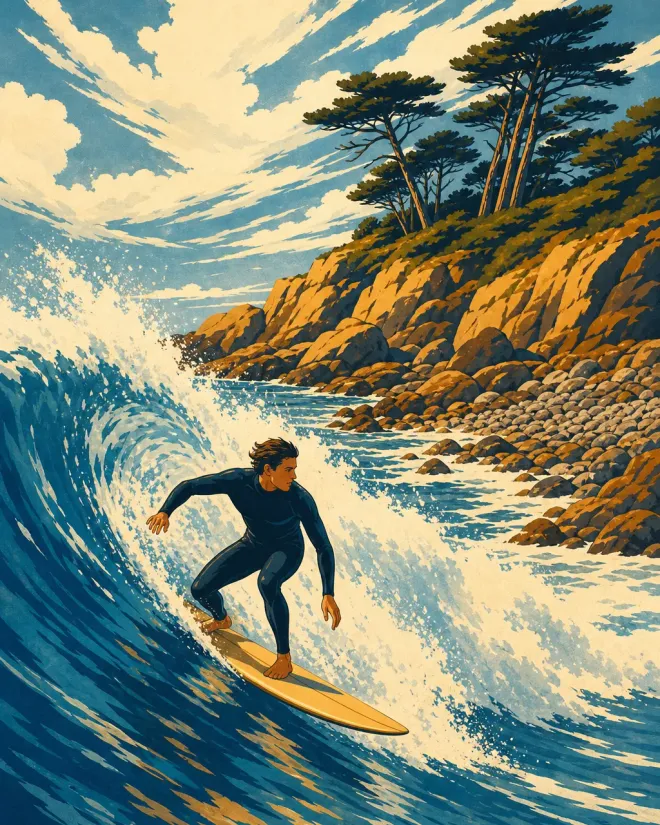
Behind the family resorts hides a serious Atlantic coast: reef waves at La Sauzaie, wind and spray on the côte sauvage, and surf schools that mean business.
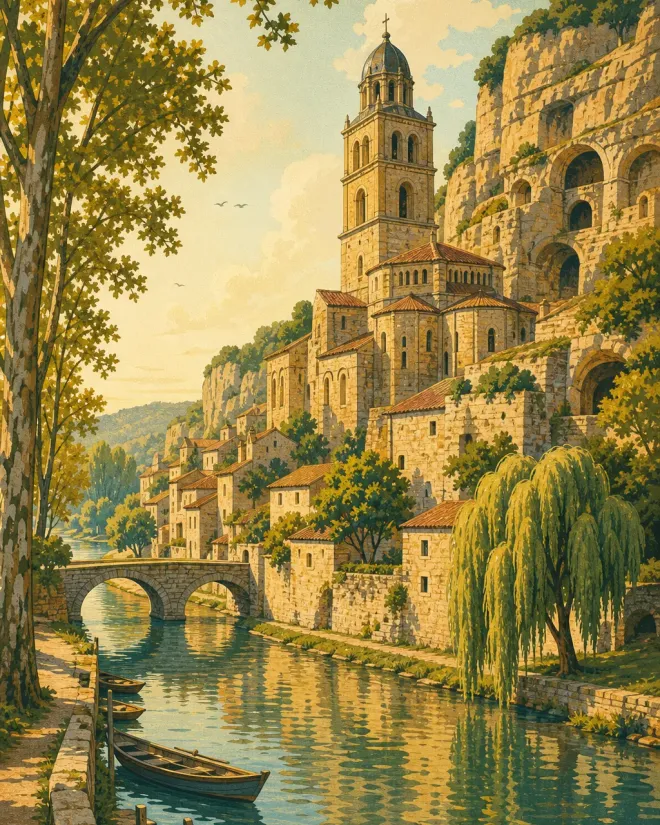
An abbey born of a Carolingian legend, monks who hollowed their monastery from a cliff, and a 'Venice' nickname invented by a president in 1913.
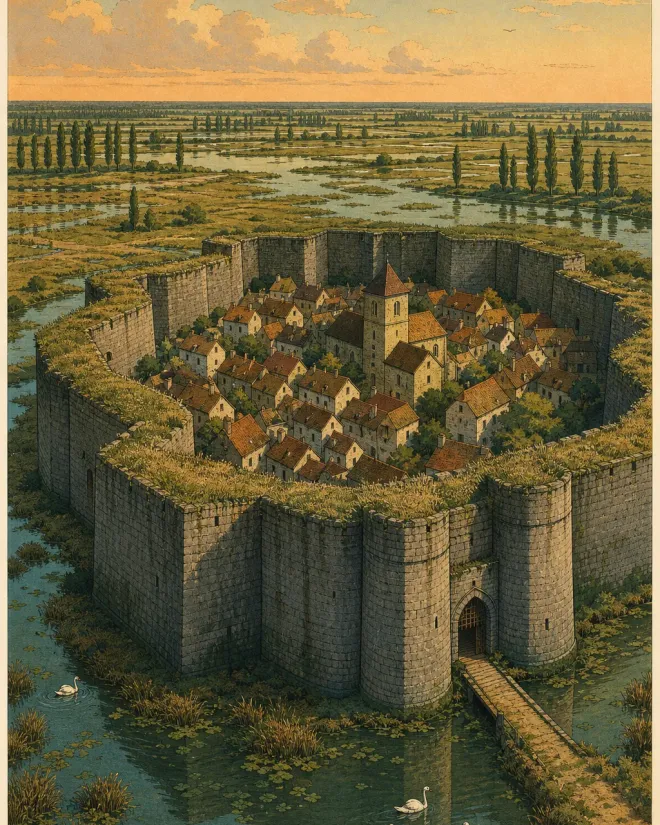
Founded in 1555 to ship salt across Europe, fortified by Richelieu and Vauban, Brouage now stands three kilometres from the sea it was built to serve.