 Plat Medium difficulty
Kitchen
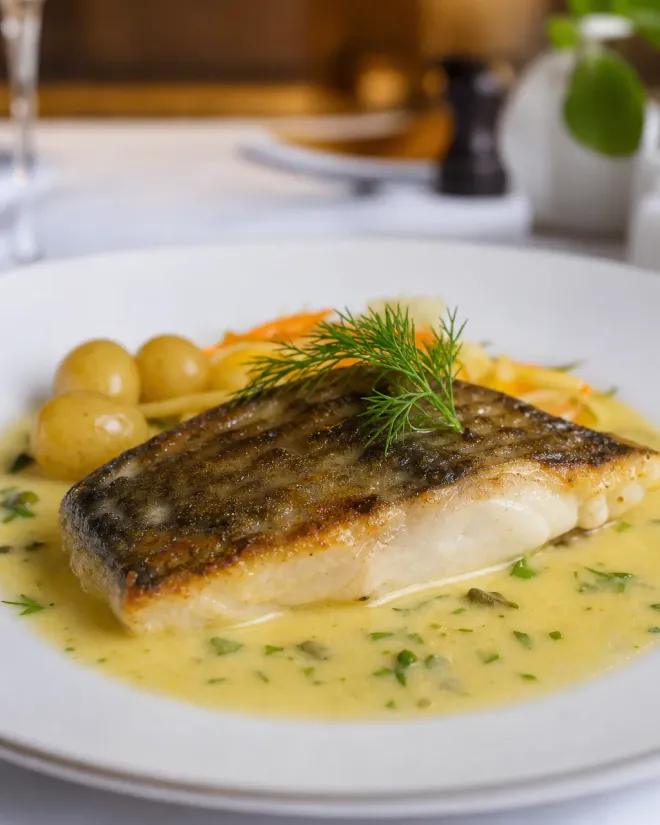
Pike-Perch au Beurre Blanc
One sauce justifies the whole Loire: shallots, Muscadet and cold butter mounted to a trembling ribbon — the pike-perch is only the excuse.
43 recipes. The bistro canon and the Sunday pots — the right cuts, the right wine, and cups alongside grams.
French main courses have a public image — micro portions, cathedral plating — and a private reality: pots. The cuisine that actually feeds France is the slow one, beef bourguignon and cassoulet and pot-au-feu, things that simmer for hours while you live your life and taste better reheated the next day, which is the design, not a flaw. Around the pots sits the bistro canon: steak au poivre, quiche Lorraine, poulet à la crème, ratatouille — dishes that made French restaurants famous because they turn supermarket ingredients into restaurant flavor.
Each recipe answers the two questions American cooks actually ask. Which cut — the French names (paleron, jumeau) translated into what your butcher stocks. Which wine — never the salted bottle labeled cooking wine; a bottle you would drink, because after three hours of simmering the wine is the sauce. Quantities come in grams and cups, ovens in Celsius and Fahrenheit, and lardons come with a note about thick-cut bacon, because that is what an American kitchen has.
The cheese-forward corner of this cuisine — fondue, raclette, tartiflette, aligot — is all here too. If cheese is the point of your search, the FAQ below has your list.
The monument. Beef simmered three hours in Burgundy until the wine becomes the sauce — the dish the world names first.
Bourguignon's chicken cousin, born as a way to make an old rooster edible. Same logic: wine, time, lardons.
The Provençal stew that proves French food is not all butter. Good warm, better the next day.
Bacon, cream, eggs, pastry. The original carries no cheese — the argument is inside.
Bistro steak in fifteen minutes: peppercorn crust, cognac pan sauce. The fastest French main that feels expensive.
The Toulouse white-bean and duck monument. A weekend project that pays rent.
Plat Medium difficulty One sauce justifies the whole Loire: shallots, Muscadet and cold butter mounted to a trembling ribbon — the pike-perch is only the excuse.
 Plat Easy difficulty
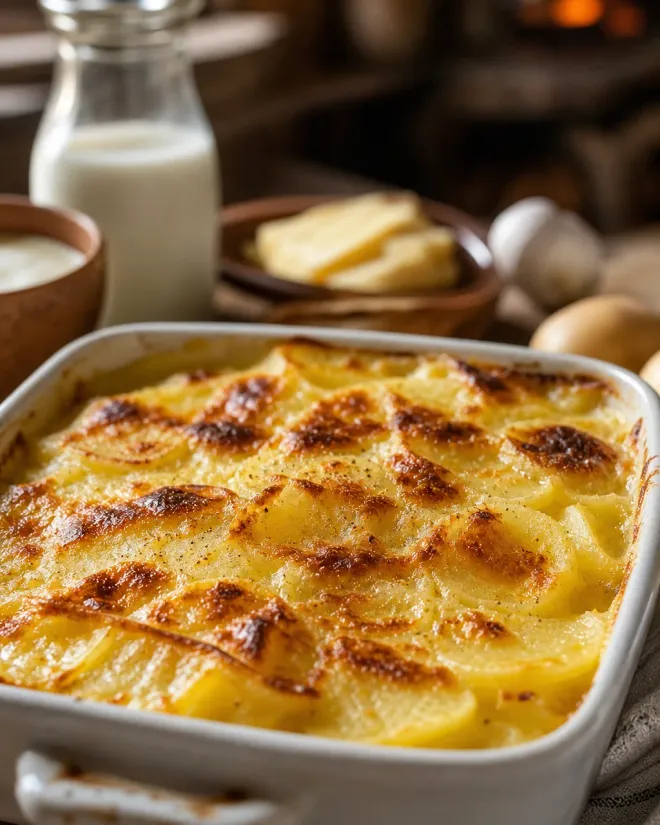
Three ingredients, two hours, zero forgiveness. The real gratin dauphinois: no cheese, no rinse, a slow 160 °C oven and a knife that must slide through.
 Plat Easy difficulty
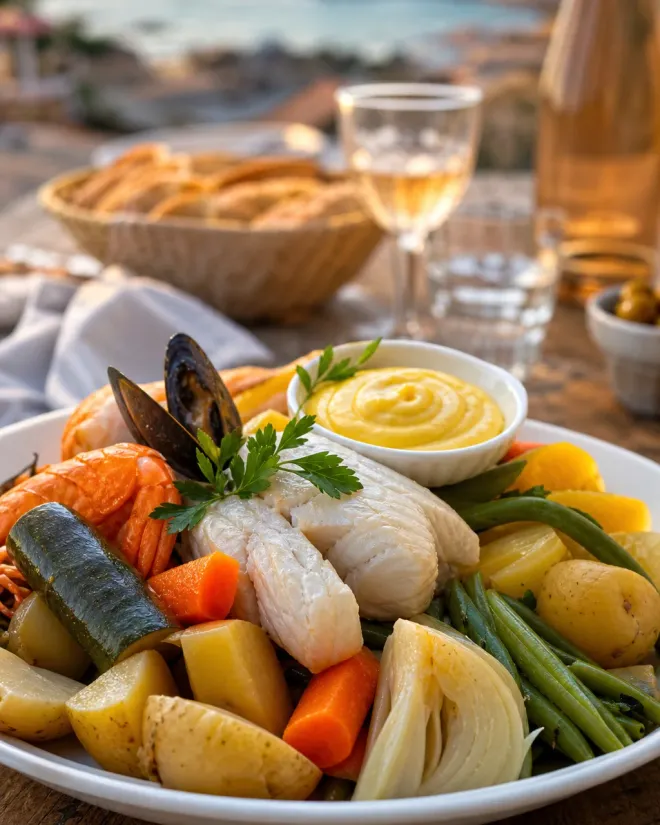
Cod, vegetables, and one garlic sauce holding everything together. The Provençal platter explained — desalted cod and a hand-made aïoli.
 Plat Easy difficulty
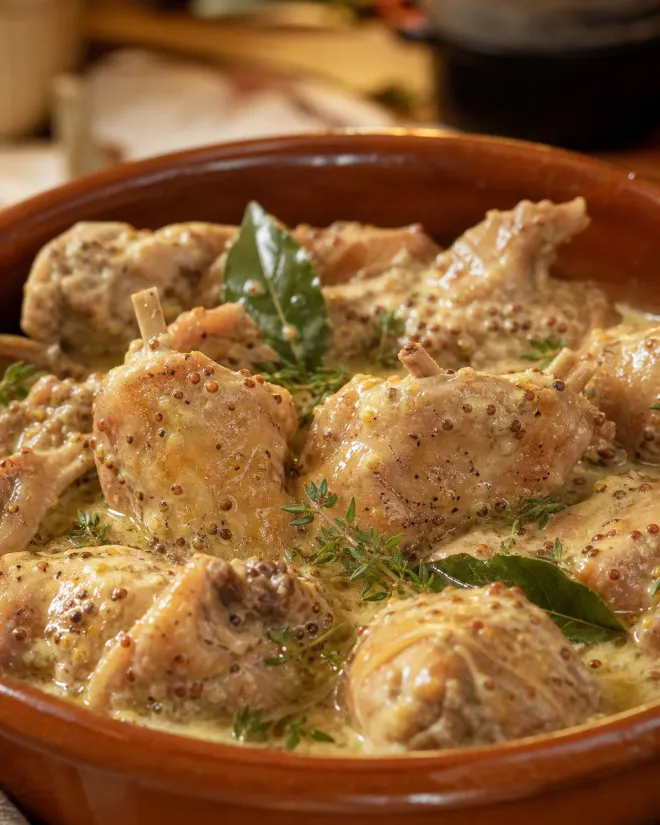
Rabbit marinated overnight in grain mustard, browned in butter, then left to simmer itself tender — the animal that frightens the supermarket but behaves perfectly at home.
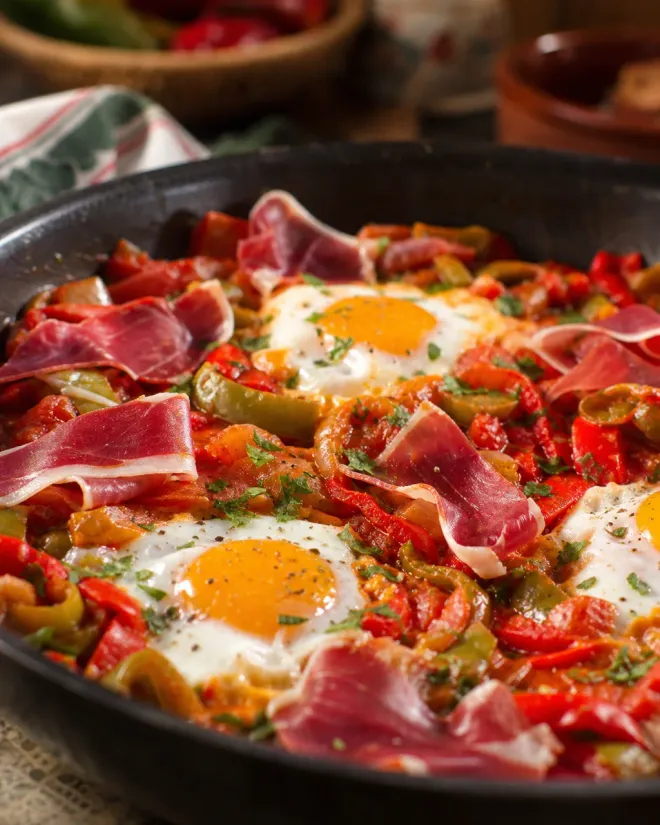 Plat Easy difficulty
Peppers, onions, eggs — the Basque flag by way of breakfast, and the most forgiving skillet in France: feed four people on three vegetables.
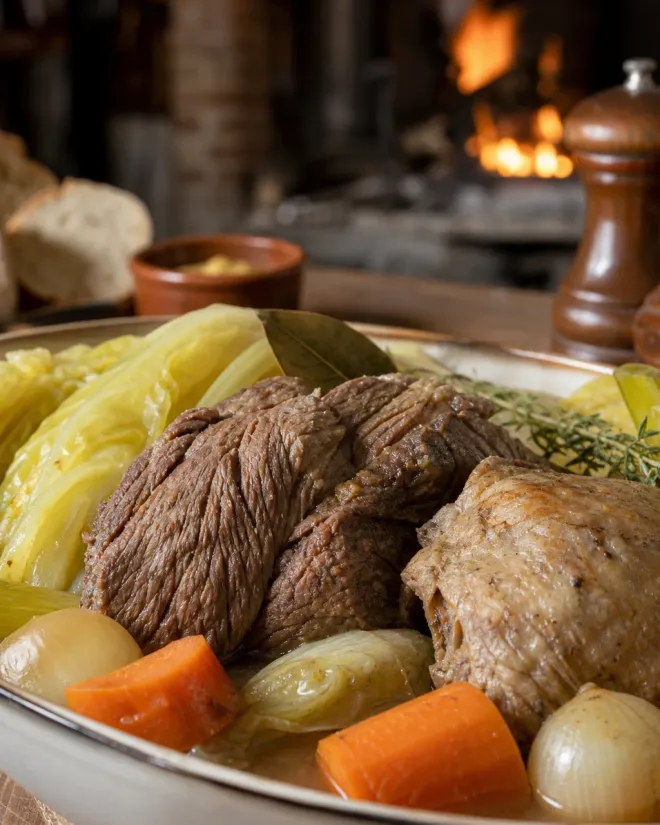 Plat Medium difficulty
Beef, broth, patience — the original French one-pot, cooked at a tremble for hours. Two courses, one pot, and the dish that named the restaurant.
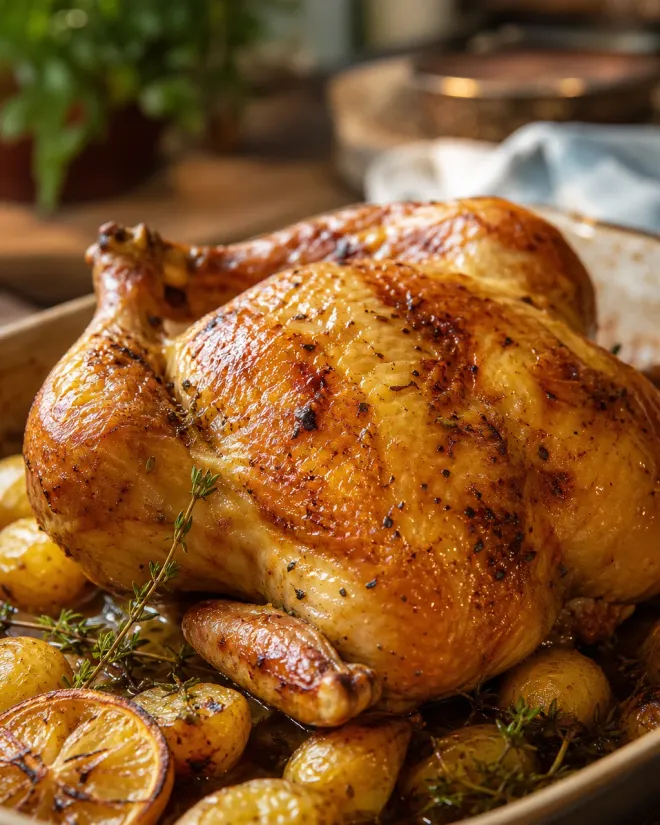 Plat Easy difficulty
Sunday noon's true religion: butter under the skin, lemon and thyme in the cavity, potatoes roasting in the jus — and a rest before carving that nobody disobeys twice.
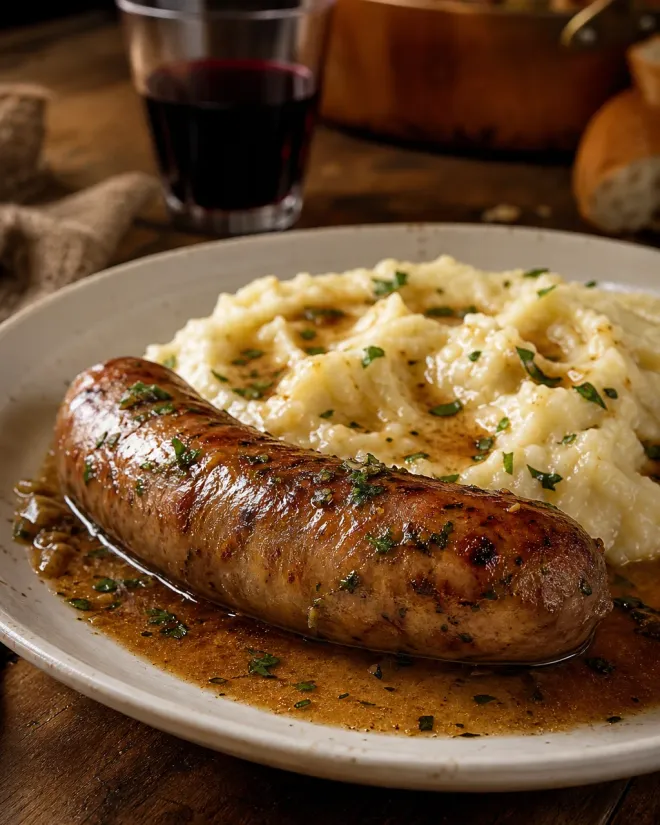 Plat Easy difficulty
The coarse peppered sausage that anchors every cassoulet, cut loose from the bean pot. With buttery purée and a shallot jus, it needs nothing.
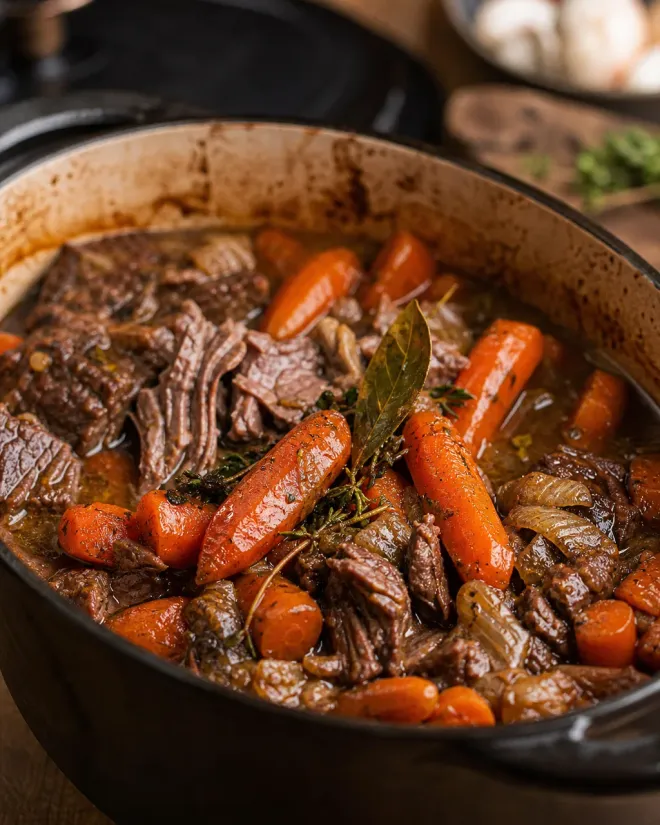 Plat Easy difficulty
The forgotten braise: chuck, carrots, onions and a bouquet garni bound in a flour-thickened gravy — the bourguignon's modest sibling, no wine bottle required, strictly better on day two.
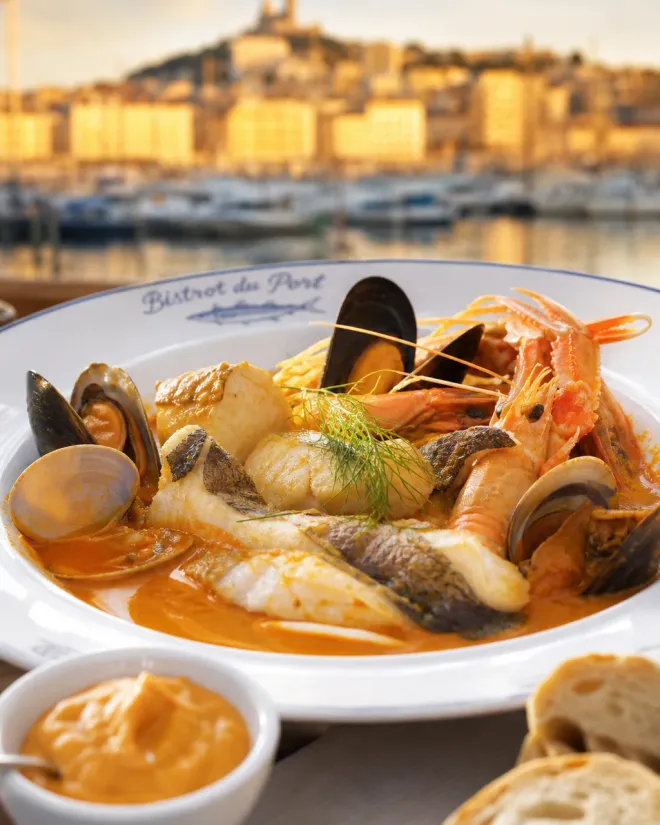 Plat Hard difficulty
Two-stage fish soup from Marseille: a saffron broth built on rockfish bones, then the fish poached in it. Rouille and croutons on the side, non-negotiable.
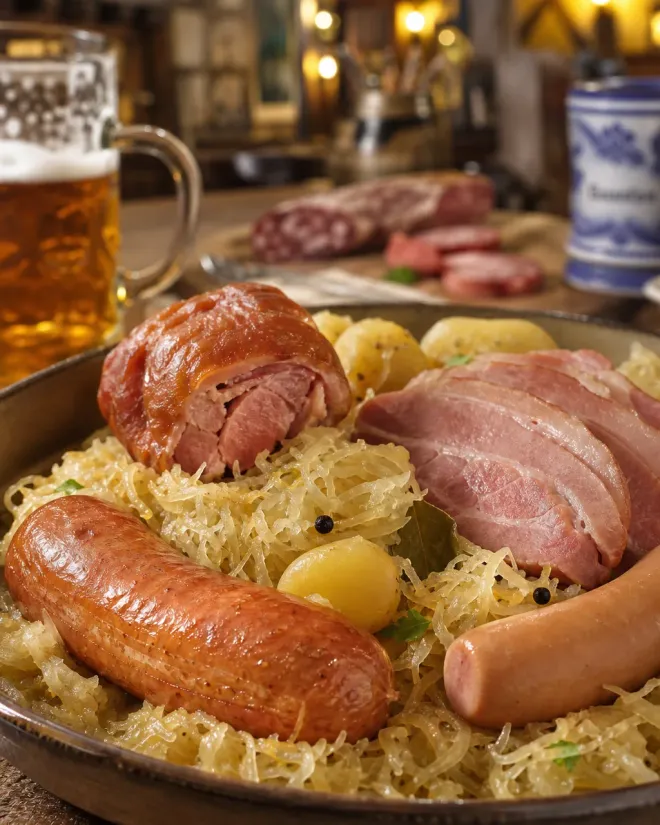 Plat Medium difficulty
Five meats on a bed of fermented cabbage. Alsace never picked a side in Europe's arguments — it picked dinner instead: kraut, smoke, and seven hours of steam.
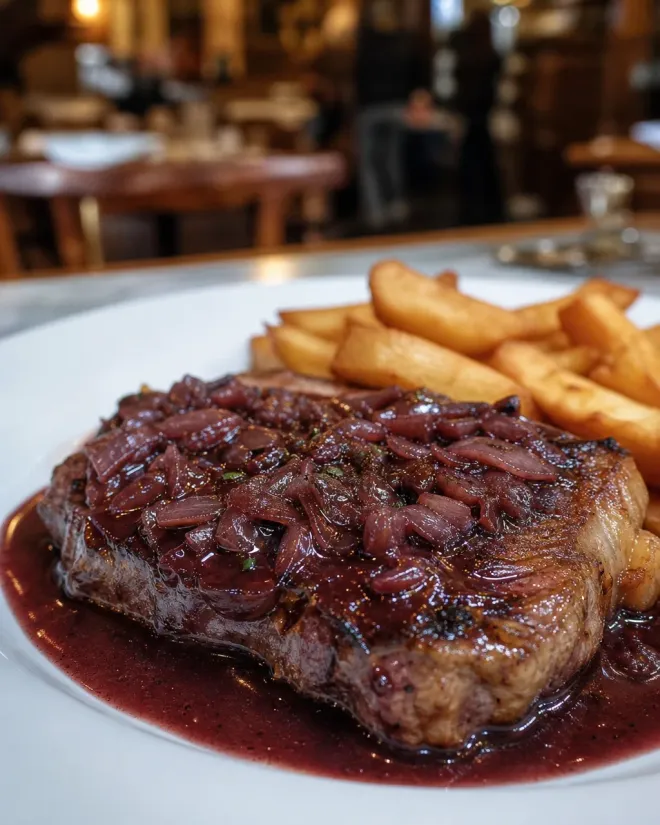 Plat Medium difficulty
Ribeye drowned in a red-wine and marrow sauce. The Bordelaise reduce their grand cru by three-quarters and pour restraint out with the bottle.
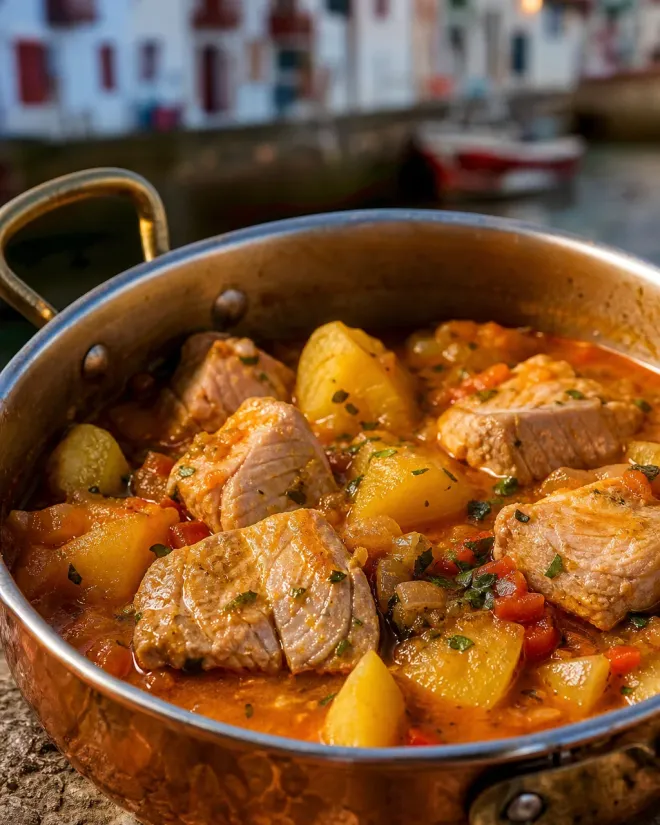 Plat Medium difficulty
Tuna and potatoes simmered the fisherman's way — one pot, choricero pepper, and the sea's answer to beef stew. The Basques ate first; you eat now.
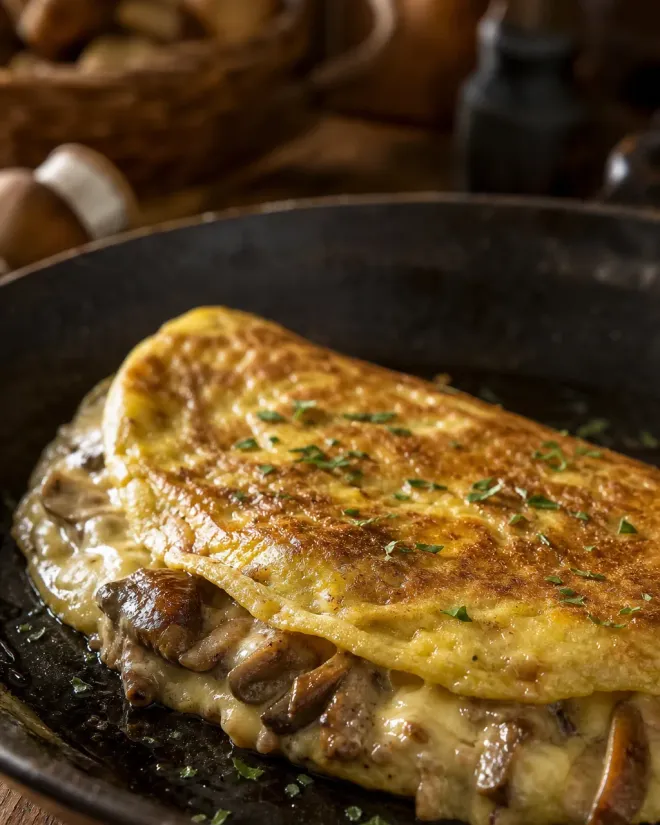 Plat Easy difficulty
Porcini eggs. The forest does the seasoning, the butter does the rest, and the whole thing is decided in about ninety seconds of pure nerve.
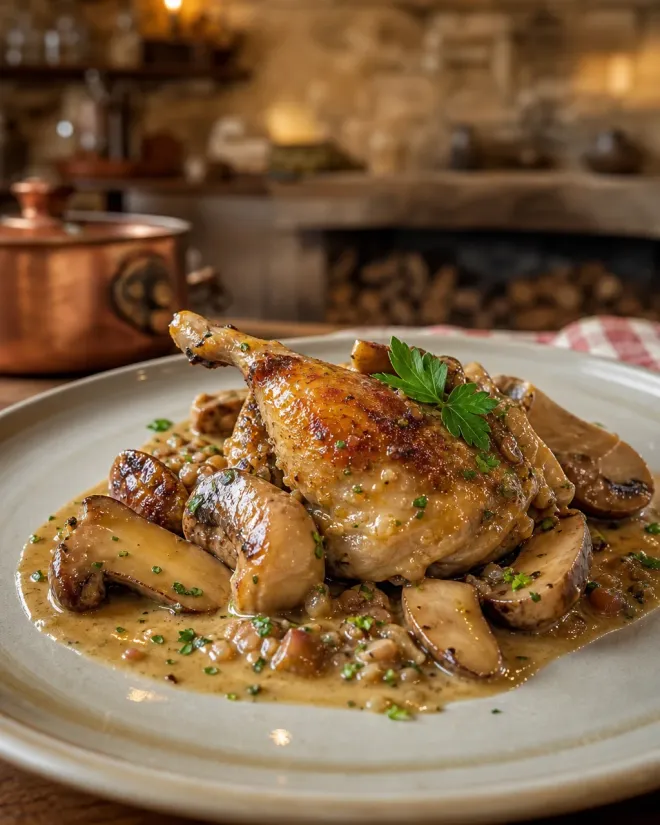 Plat Medium difficulty
Guinea fowl and porcini — two things that grew up together. Lean bird, forest mushroom, one casserole: the Sud-Ouest puts autumn on the table.
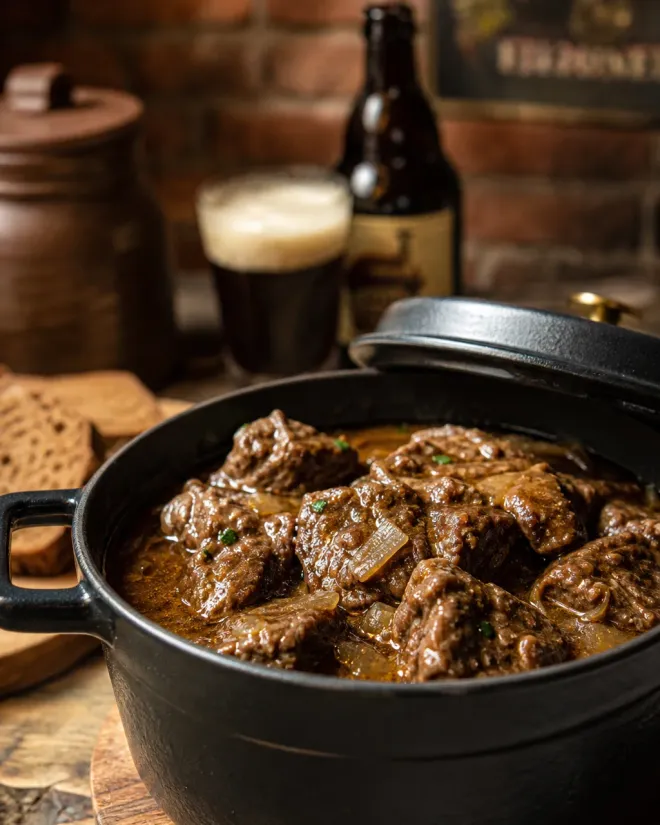 Plat Medium difficulty
Beef stewed in dark Flemish beer until the North's answer to Burgundy arrives: sweet, dark, and settled under a lid of mustard-smeared gingerbread.
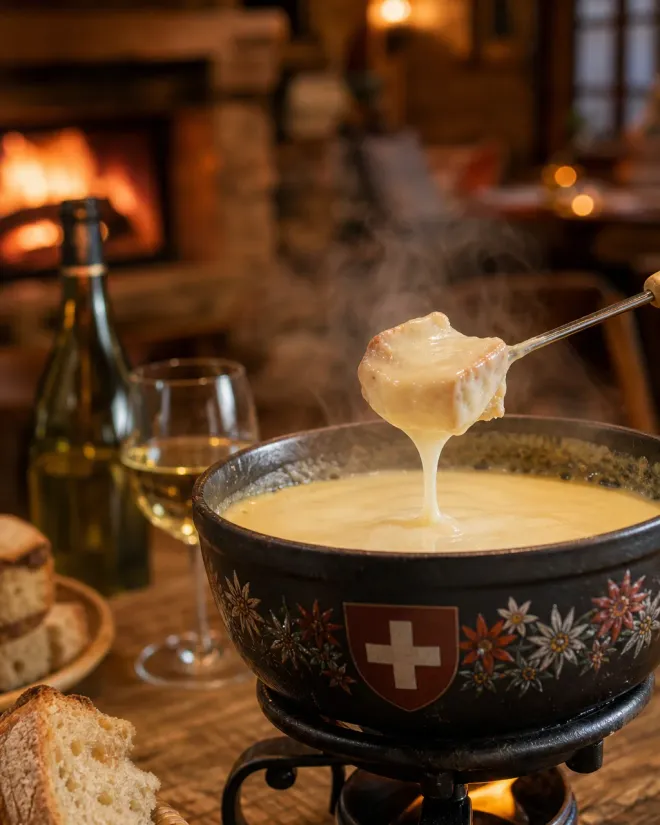 Plat Easy difficulty
Melting cheese in wine — the Alps' best excuse for a long table, and the one French dish where the equipment genuinely does half the cooking.
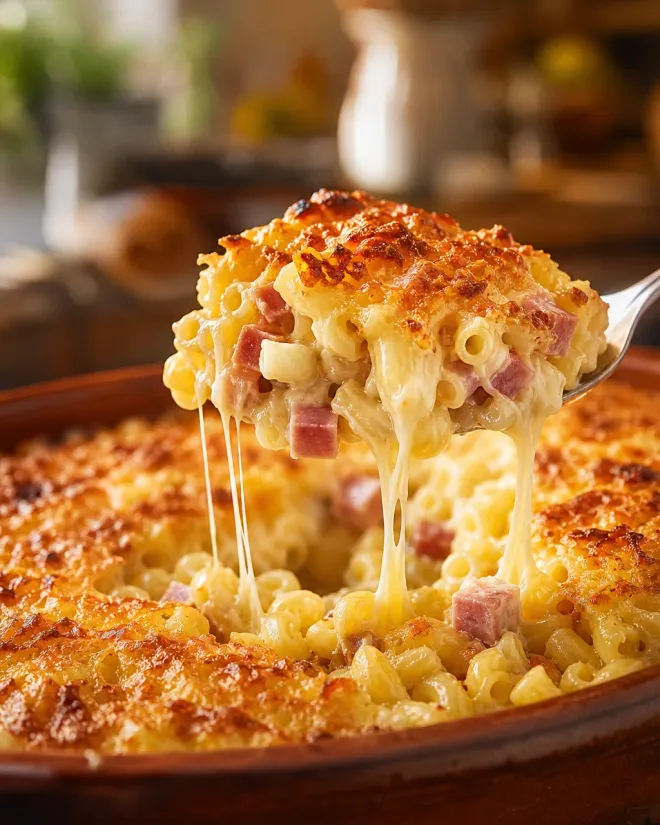 Plat Easy difficulty
Little elbow pasta, diced ham and a suspiciously generous béchamel under a lid of browned gruyère — the school-canteen monument France never outgrew and bistros now proudly sell back to it.
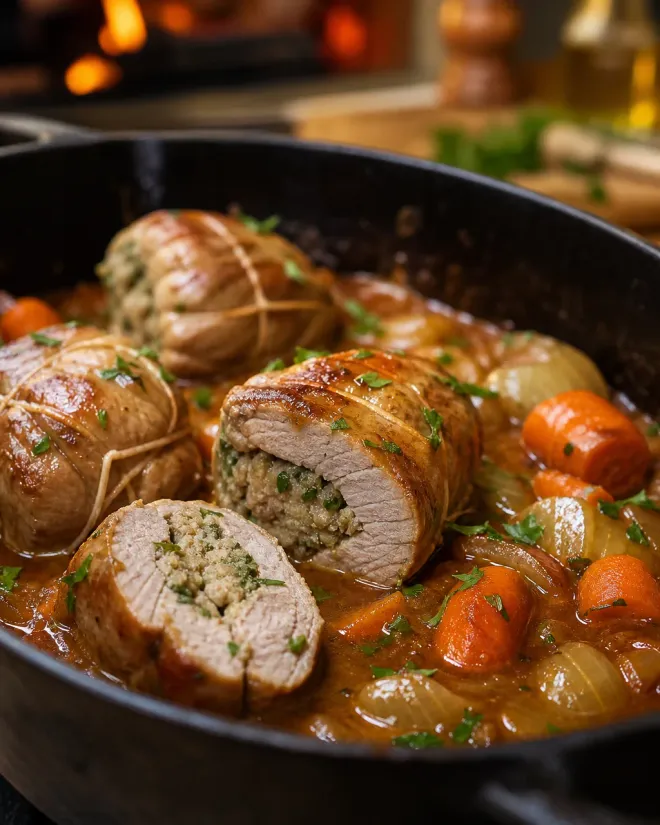 Plat Medium difficulty
Thin veal wrapped around sausage-meat farce, tied, browned, simmered in a light brown gravy — the butcher's handiwork that costs a markup you can beat at home. The string comes off before serving, obviously.
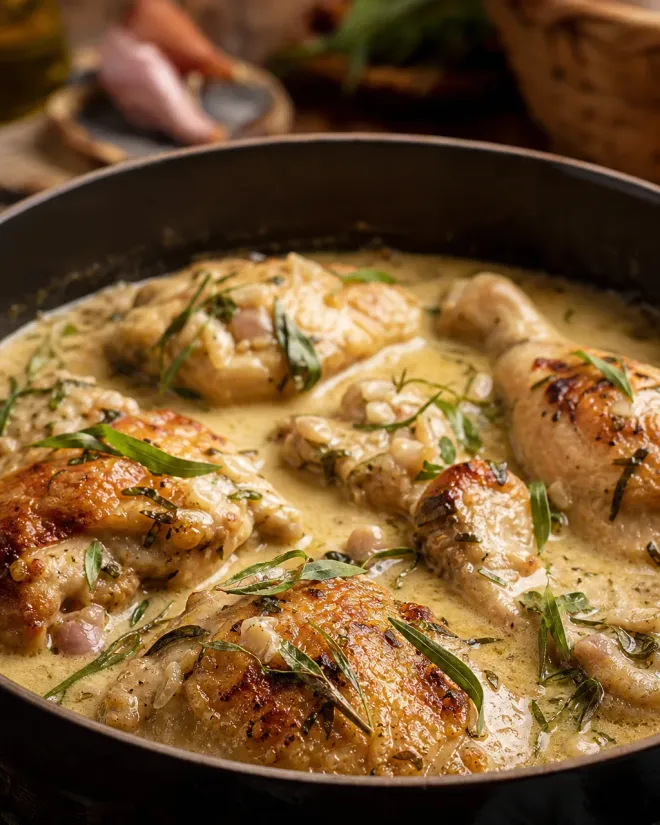 Plat Easy difficulty
The neighborhood-bistro chicken: shallots melted in butter, white wine reduced to syrup, cream and tarragon — fifteen minutes more than roast chicken, ten times the sauce.
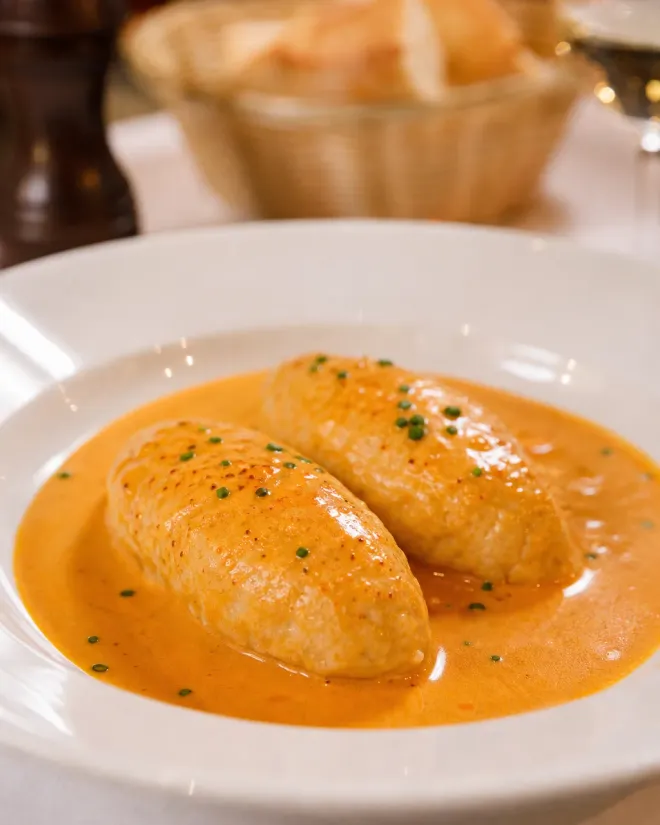 Plat Hard difficulty
Pike dumplings so light they float, in a crayfish butter sauce. Lyon's feather-light legend with Nantua's red sauce — a two-day test of nerve.
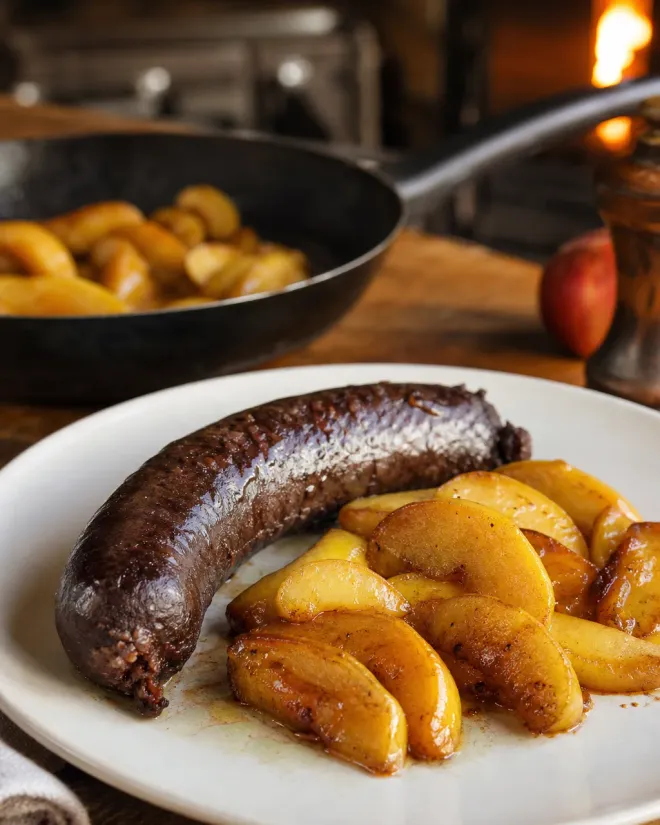 Plat Medium difficulty
Blood sausage and caramelized apples: the sweet pairing that converts skeptics. France's oldest charcuterie, and its most unfairly maligned one.
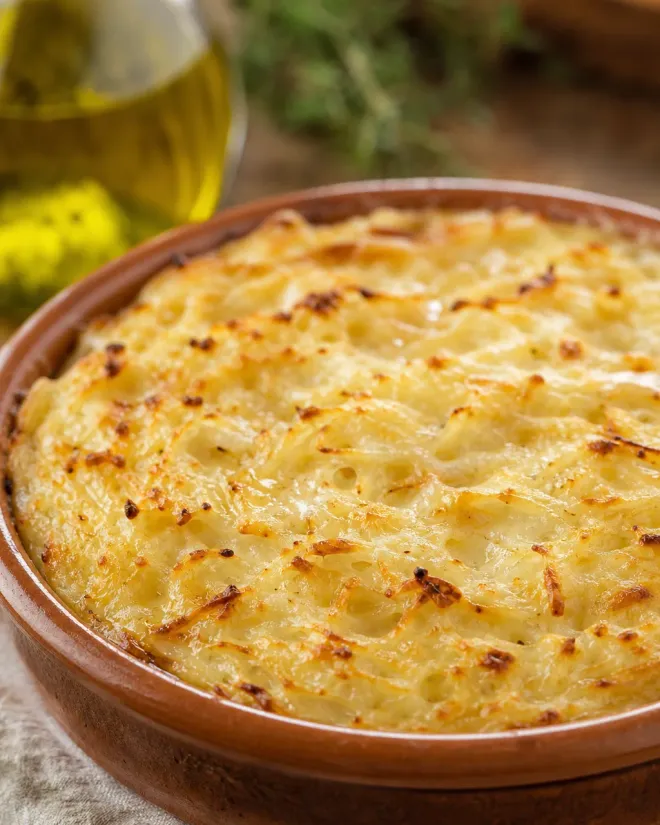 Plat Medium difficulty
Salt cod whipped with olive oil until it forgets it was salted. Nîmes' answer to lean days — patience, a mortar, and nothing to hide behind.
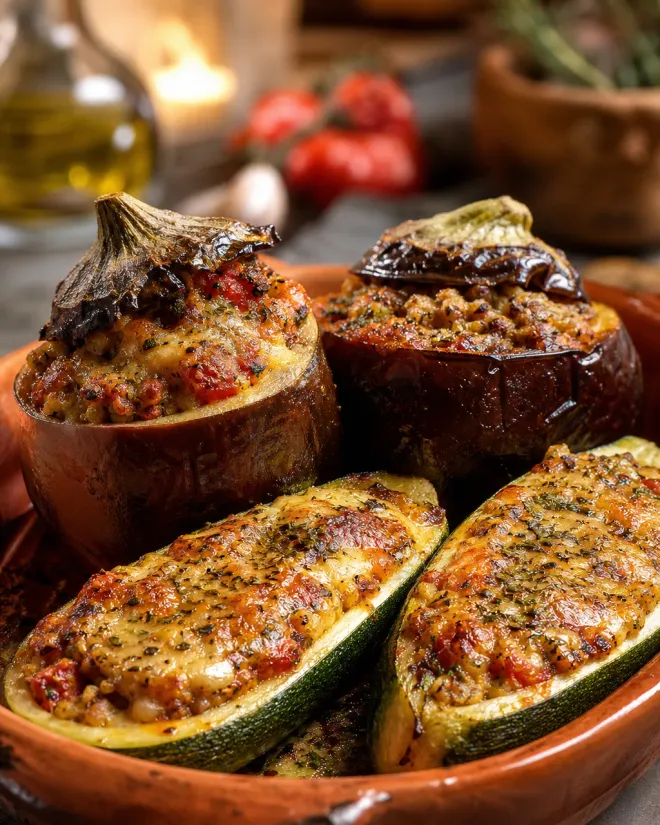 Plat Easy difficulty
Round courgettes, aubergines, peppers and button mushrooms lined up in one dish, each filled with the same pork-and-veal farce and roasted until the edges brown — the Provençal answer to any summer market that got ambitious.
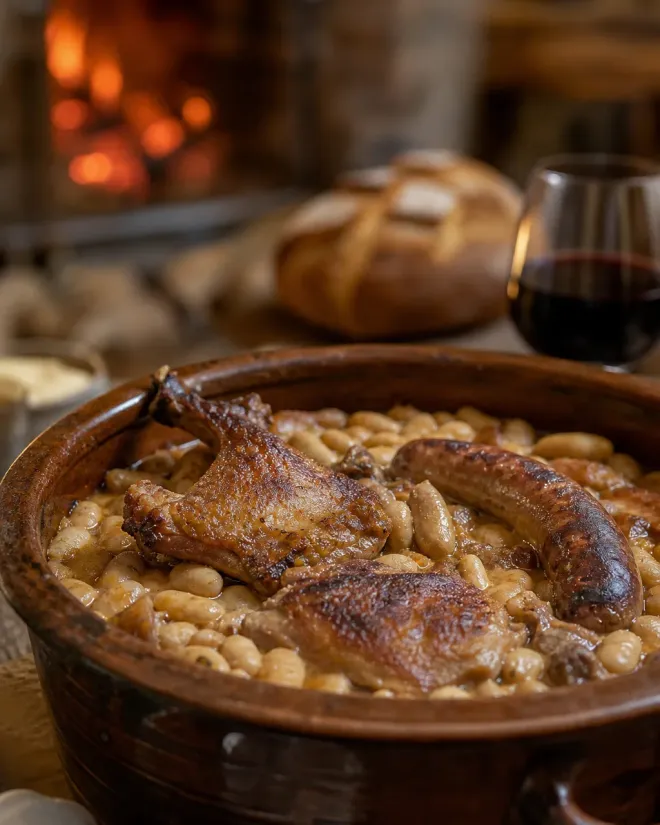 Plat Medium difficulty
Three towns, one bean stew, a century-old fight over a crust. The working home version: confit, Toulouse sausage, and the ritual of the crust.
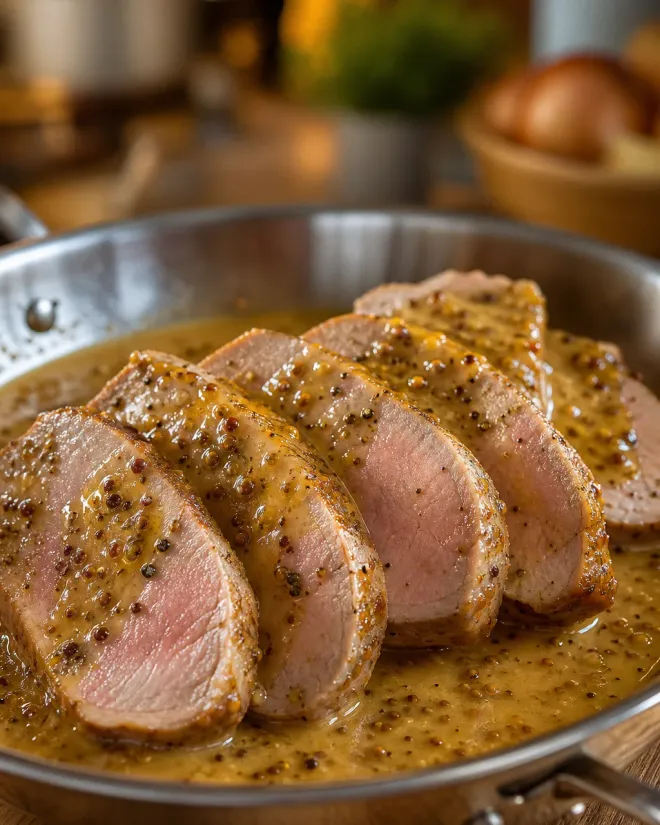 Plat Easy difficulty
Pork tenderloin in a honey-mustard sauce in twenty-five minutes, pink in the middle where it belongs — a name stolen from the beef, a sauce that tastes like you tried harder than you did.
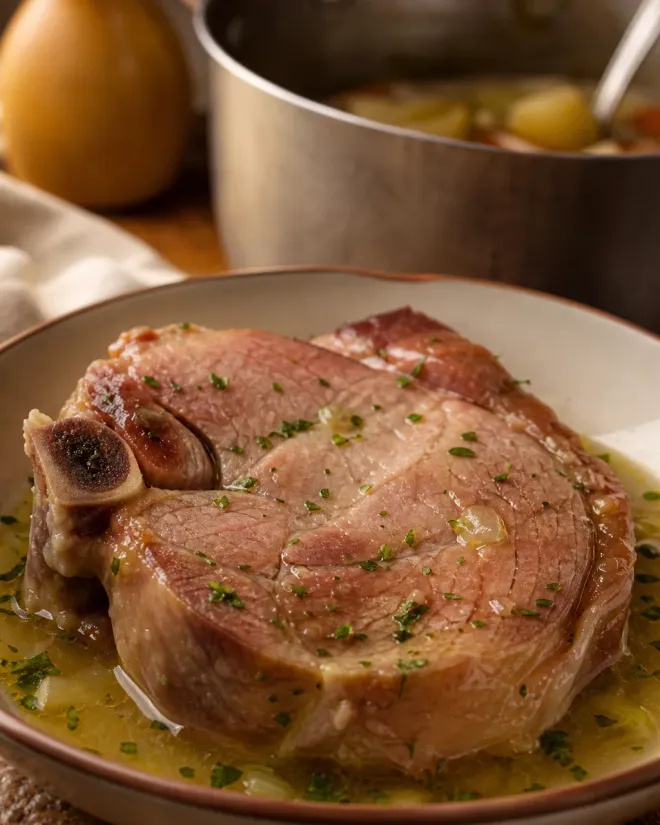 Plat Easy difficulty
A whole brined ham poached gently in vegetable broth and carved in thick slices over mashed potatoes, its own cooking juices poured over — the sacred canteen duo, ruined only by boiling, saved only by patience.
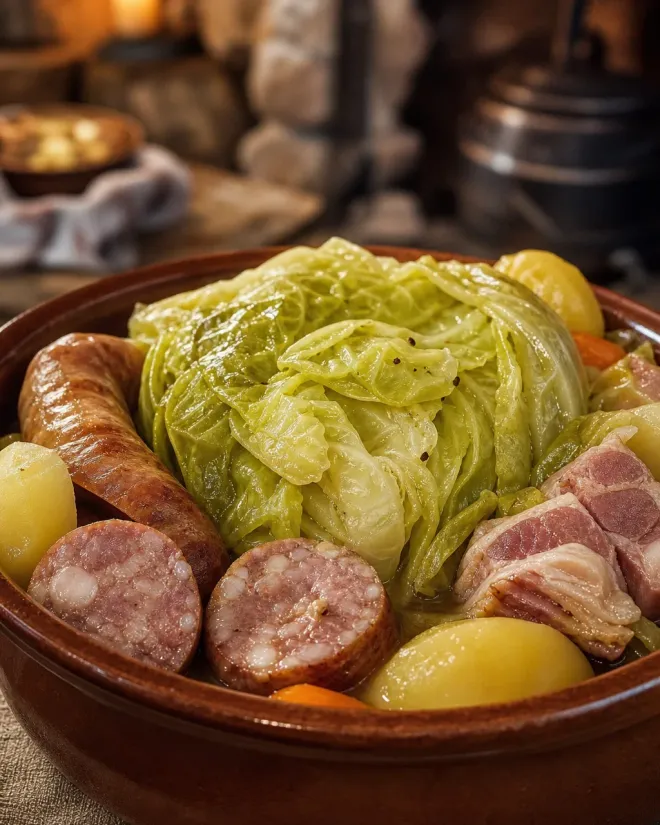 Plat Medium difficulty
The Auvergne winter pot: green cabbage, salted pork belly, smoked sausages and root vegetables simmered into two courses — broth as soup first, the platter after. No elegance, no apology.
 Plat Easy difficulty
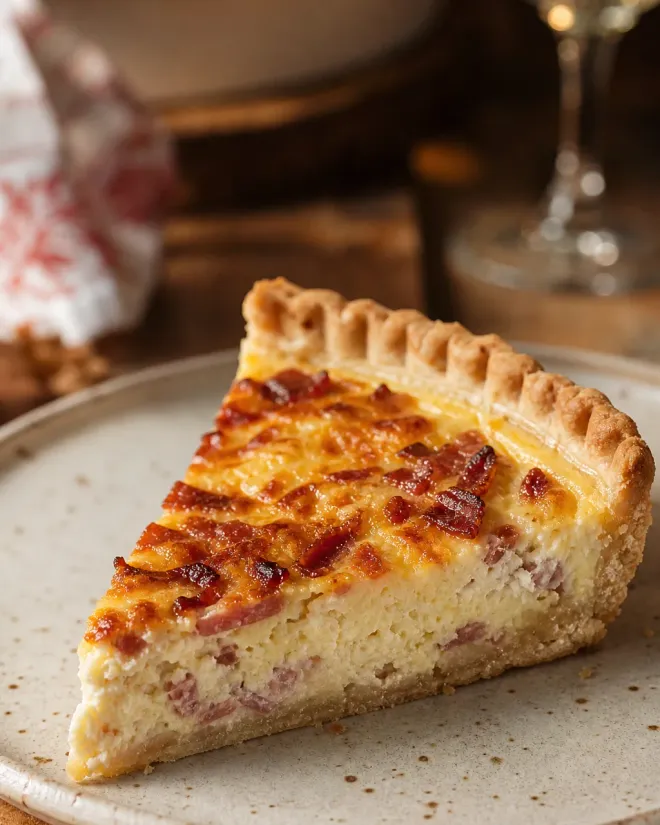
Bacon, cream, no cheese — and yes, Lorraine will fight you on this. An honest quiche: blind-baked crust, a custard that shivers, zero myths.
 Plat Easy difficulty
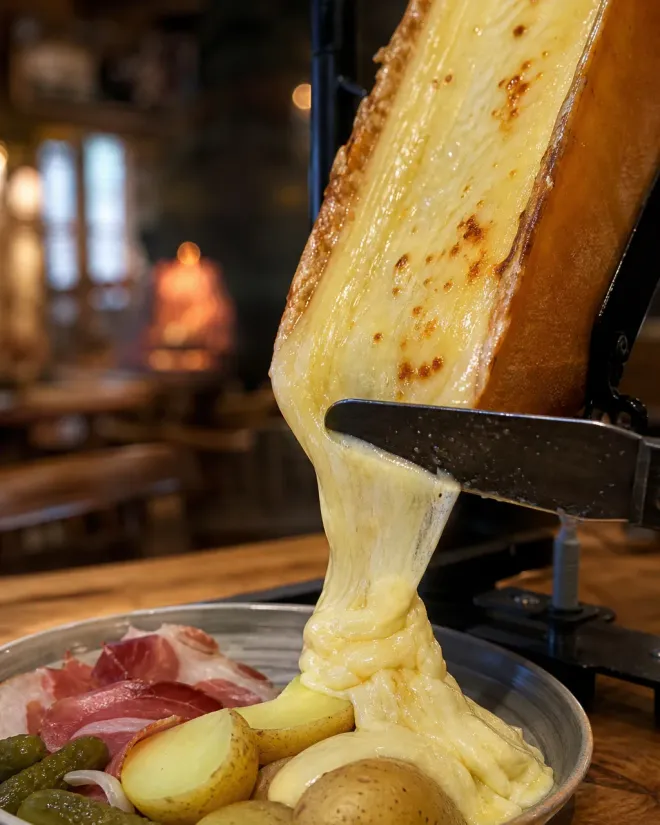
Half a wheel, a scraper, everyone's dinner. Assembly is the recipe, the machine is the chef, and the only possible failure is cheese-related greed.
 Plat Easy difficulty
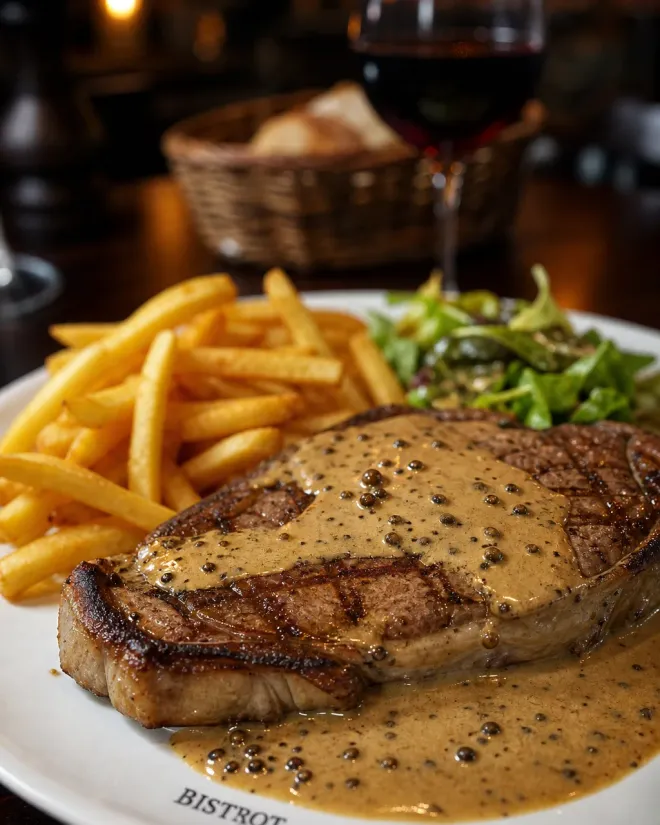
Peppercorn crust, flaming cognac, cream. Tableside theatre since forever — the pan timing that decides bleu, saignant or à point, without a clock.
 Plat Medium difficulty
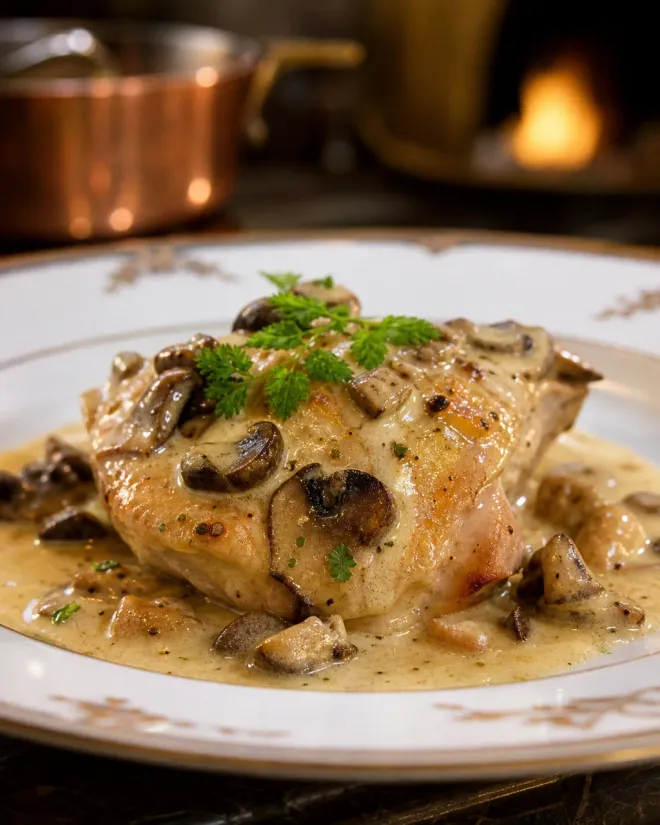
The only chicken in France with its own appellation — blue leg ring and all — roasted, then finished in cream. Bresse's argument: the bird is the recipe.
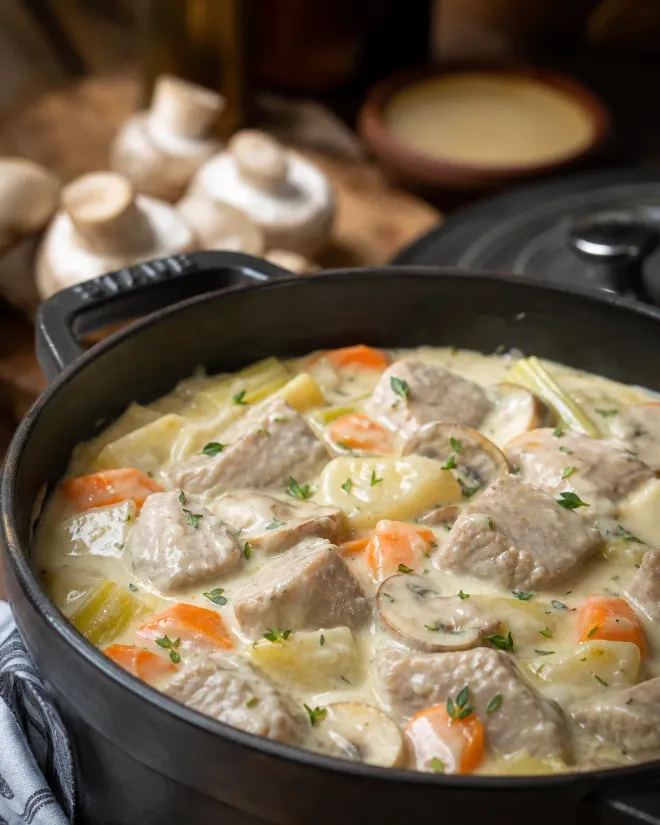 Plat Easy difficulty
The dish France votes for when asked. White, creamy, undefeated — the no-browning rule, the proper egg liaison, and the gentle heat throughout.
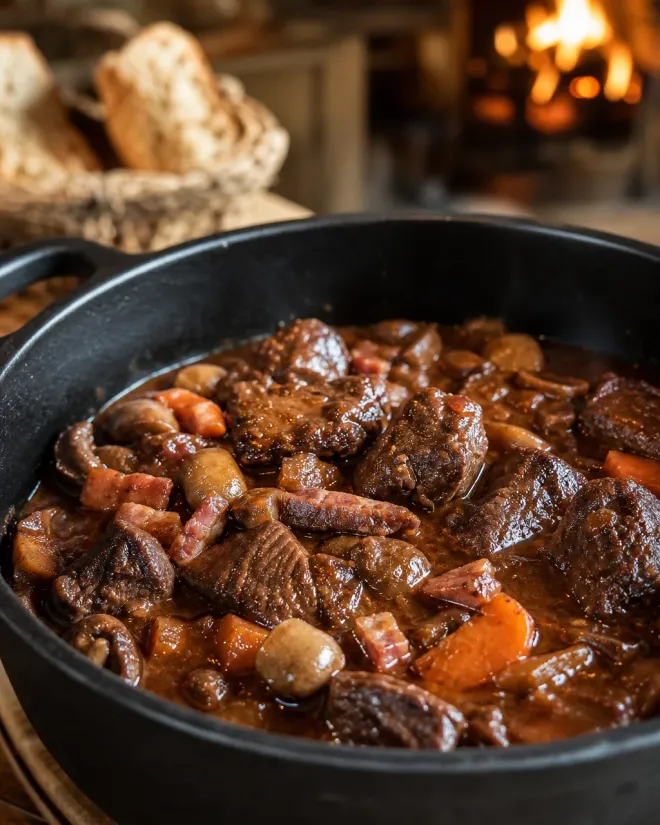 Plat Medium difficulty
Beef shoulder simmered three hours in Burgundy wine until the wine becomes the sauce — the Burgundy monument this site somehow reached 142 articles deep without, so here it is at last.
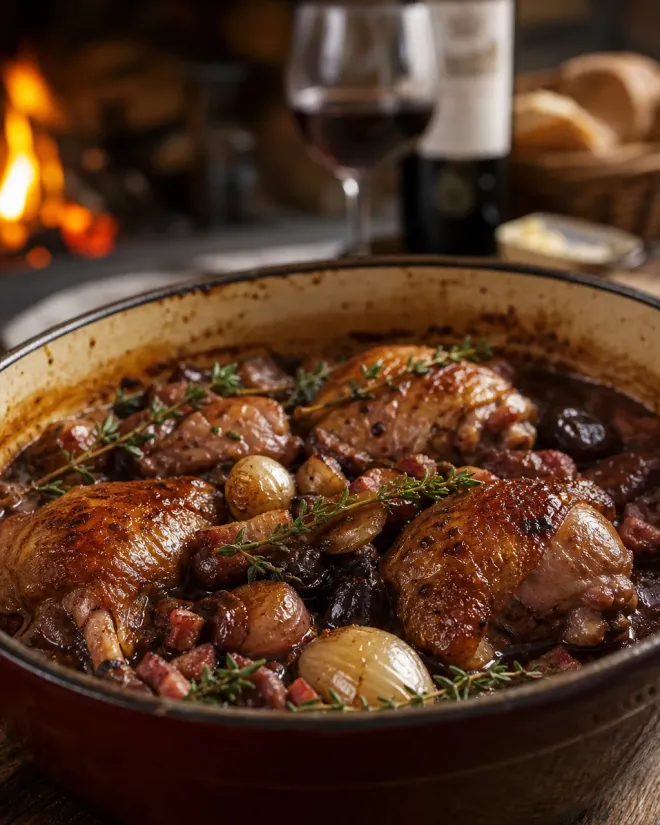 Plat Medium difficulty
Rooster stewed in wine, because patience was cheaper than tenderness. The braise decoded: browning order, wine math, and exactly when it's done.
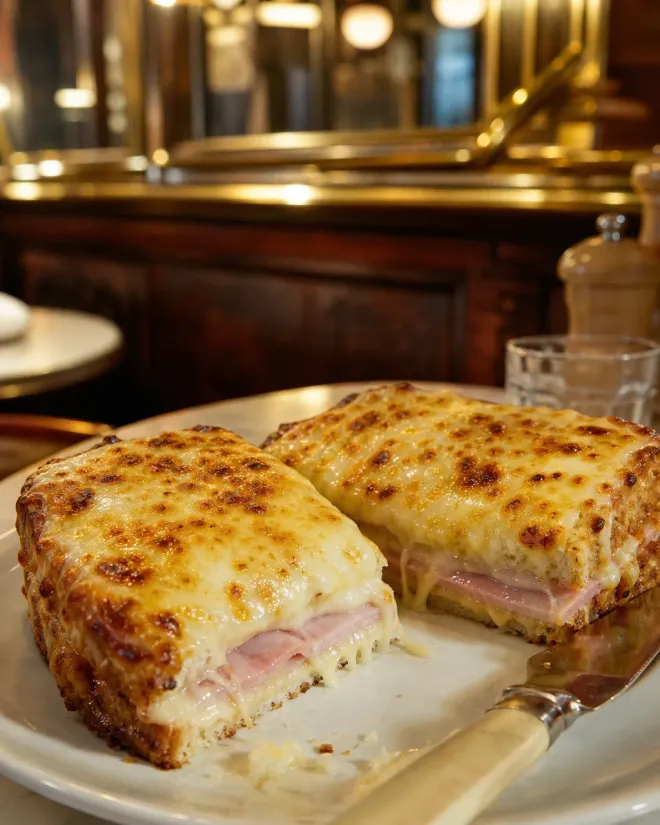 Plat Easy difficulty
Ham and cheese toast under a hat of béchamel, inside and out — the Paris hot sandwich of 1910 whose truffled upgrade is the only four-euro menu supplement that has ever earned its keep.
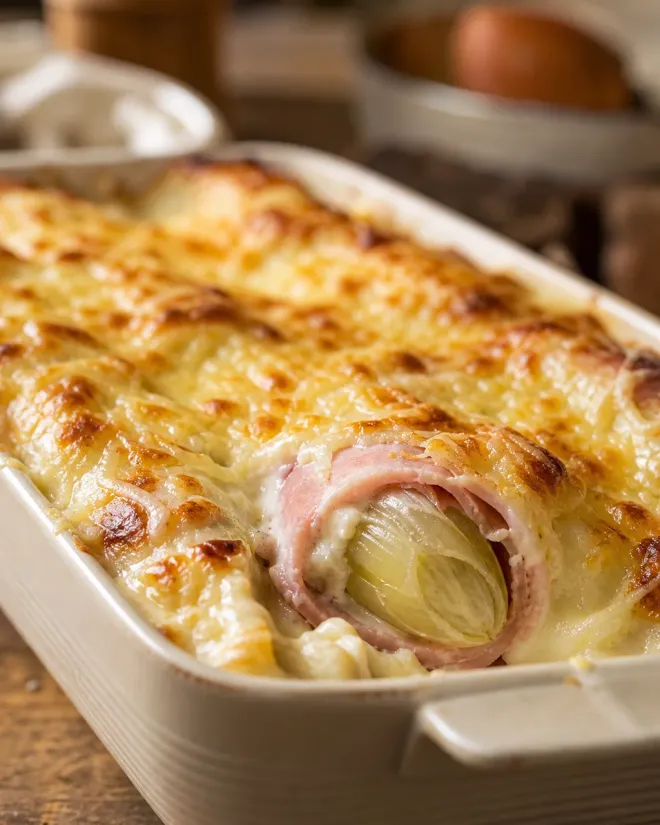 Plat Easy difficulty
Belgian endives braised sweet, rolled in ham and buried under nutmeg béchamel — the dish every French child swore to hate at eight and quietly demands at thirty-five.
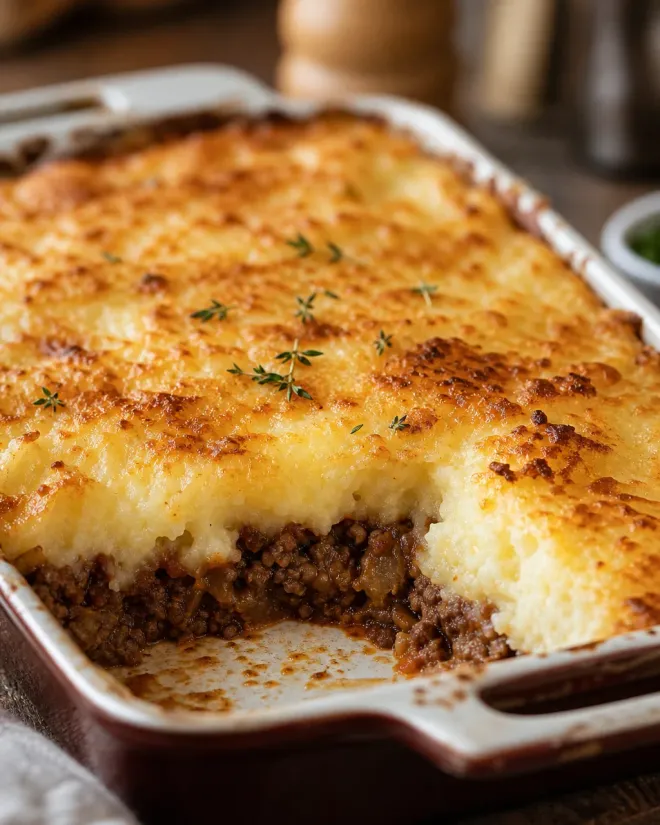 Plat Easy difficulty
France's shepherd's pie: yesterday's leftovers formally promoted to a national dish, under a thick ridge of potato you can draw on with a fork.
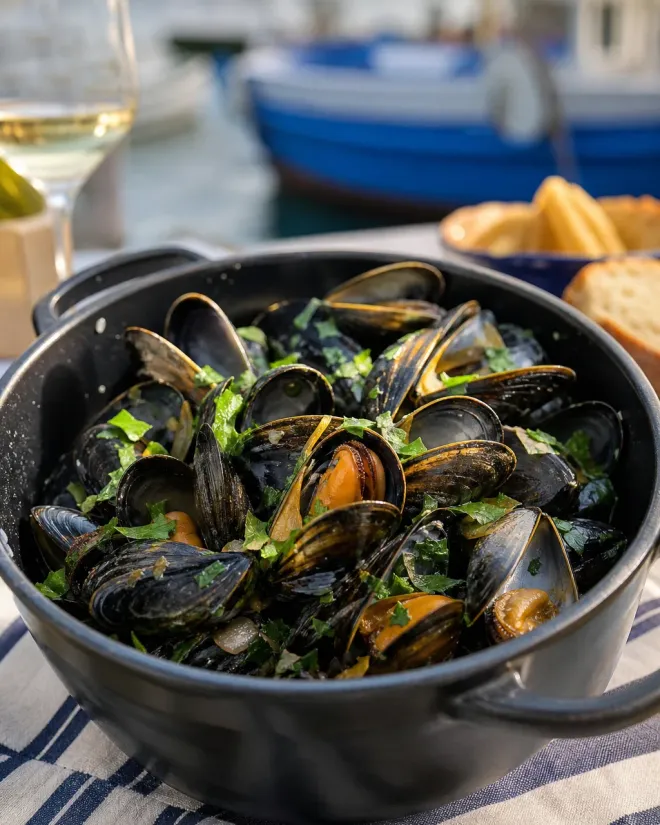 Plat Easy difficulty
One pot, fifteen minutes. Belgium claims the frites; France keeps the pot. A marinière that tastes of wine, shallots and the Atlantic, no cream.
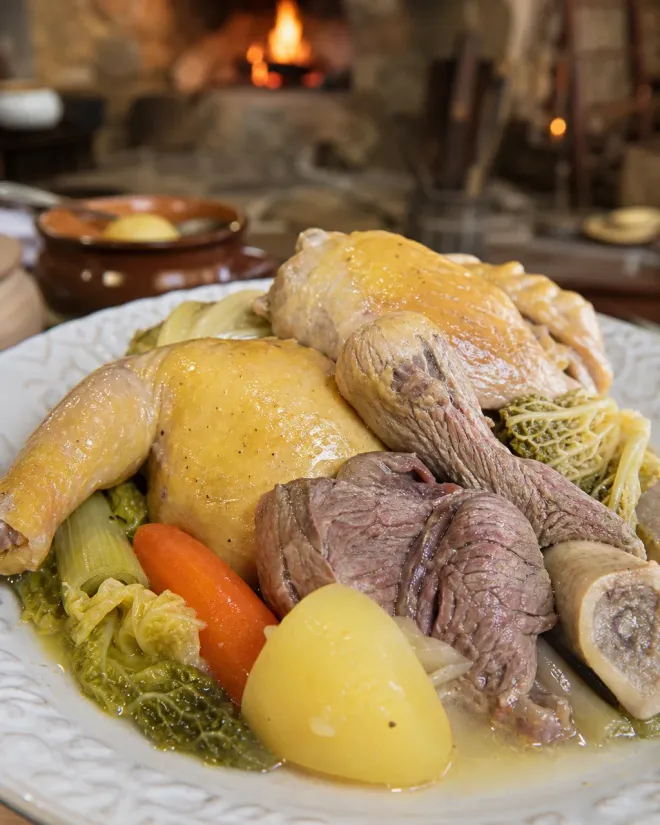 Plat Medium difficulty
Henri IV promised a hen in every pot. Six centuries on, the Béarn still stuffs, poaches and serves the bird whole — broth first, hen after.
 Plat Easy difficulty
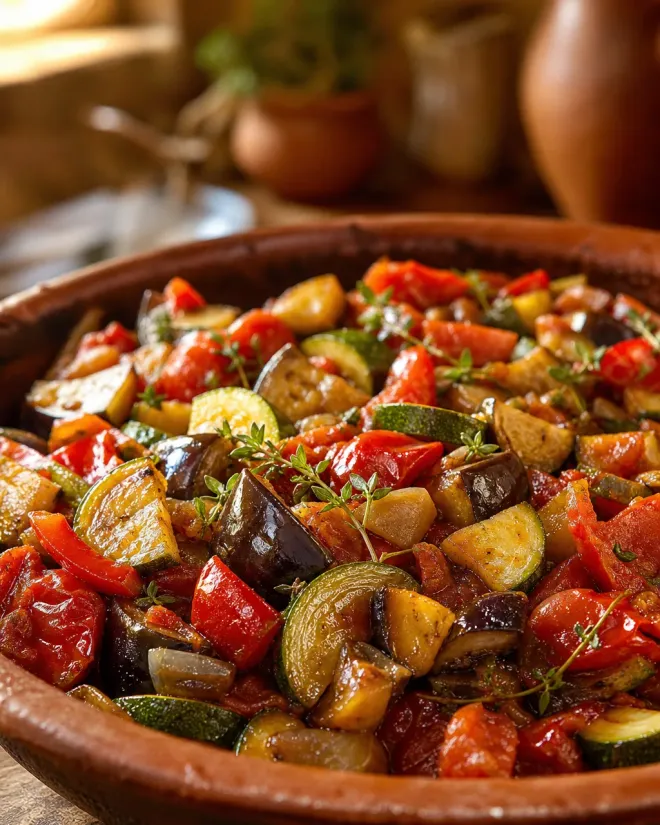
Provençal vegetables sautéed one pan at a time, then married — the rule that separates a ratatouille from a compote, whatever the rat in the film told you.
 Plat Easy difficulty
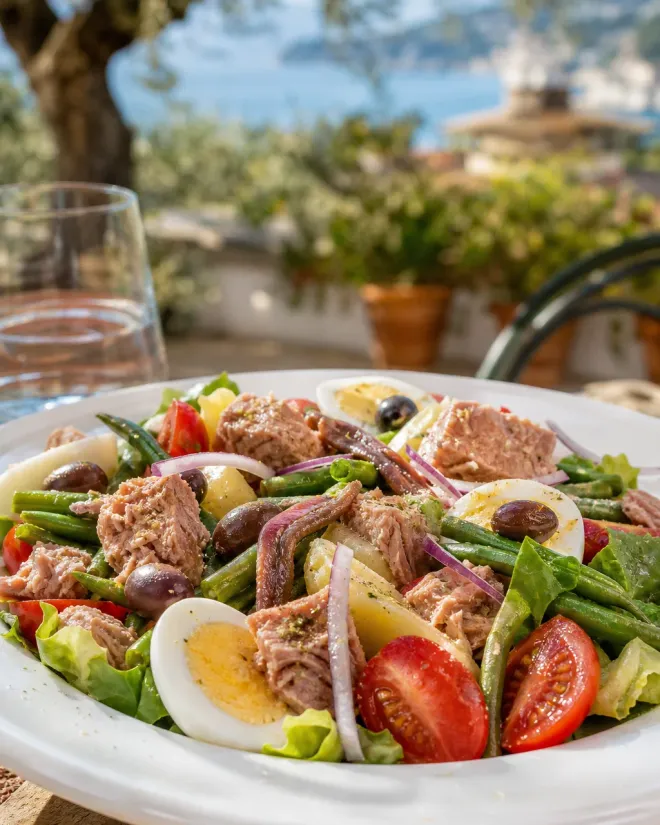
Nice has one rule for its famous salad: nothing cooked. The city has defended it for a century, and lost the argument almost everywhere else.
 Plat Easy difficulty
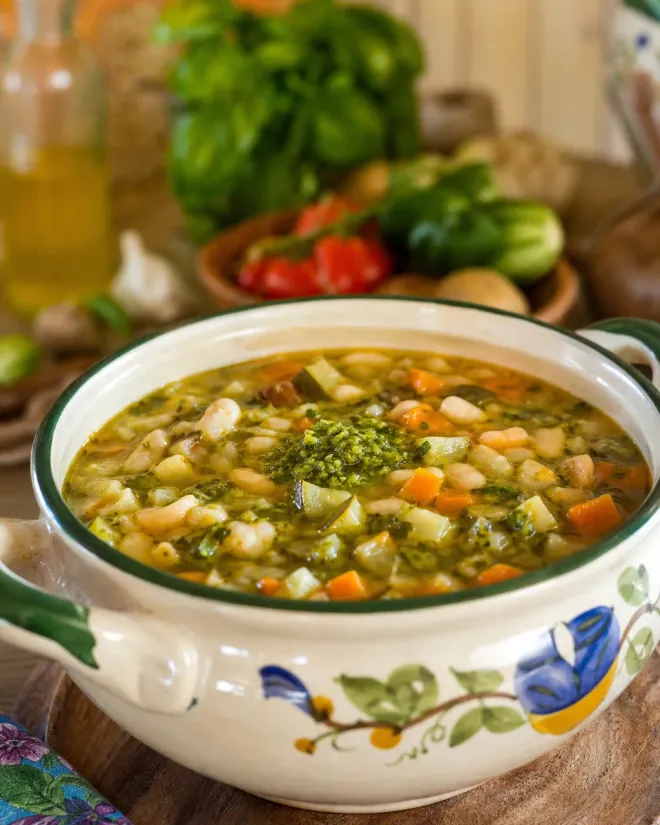
A summer vegetable soup finished at the table with crushed basil, garlic and oil. No pine nuts, no consensus, every family certain it's right.
The foundations behind the french main course recipes — techniques every recipe above quietly depends on. All the foundations →
 Plat Easy difficulty
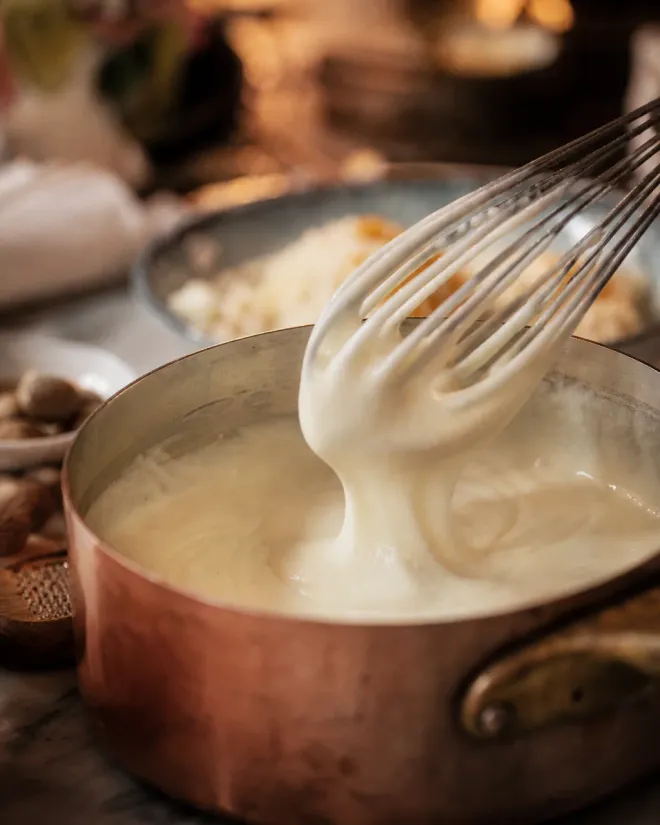
Milk thickened with a white roux — the quiet, humble sauce behind half of France's oven dishes. Five ingredients, one necessary boil, and a grating of nutmeg that is not optional.
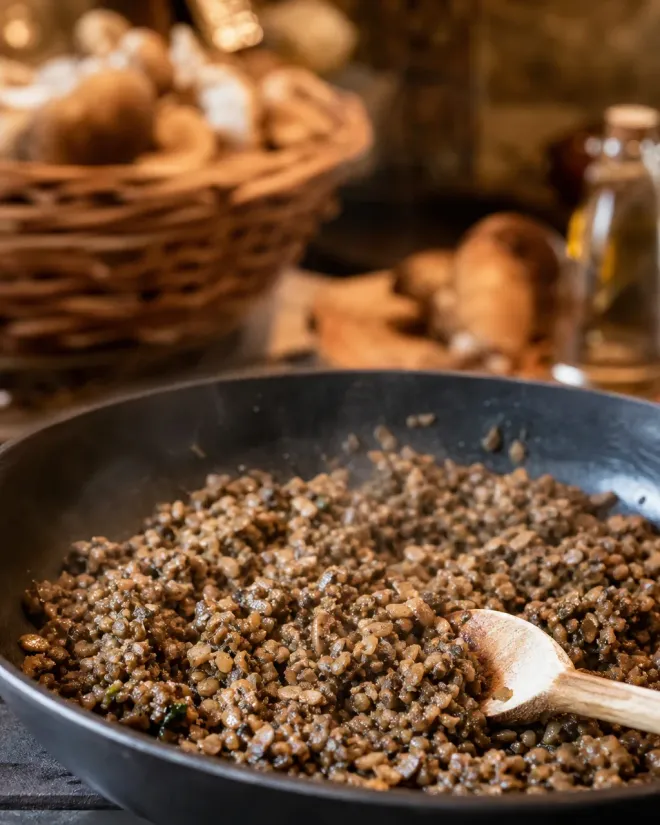 Plat Medium difficulty
Mushrooms reduced from a kilo of water to a spoonful of velvet — the paste that hides inside French showpieces and does the flavor work nobody applauds.
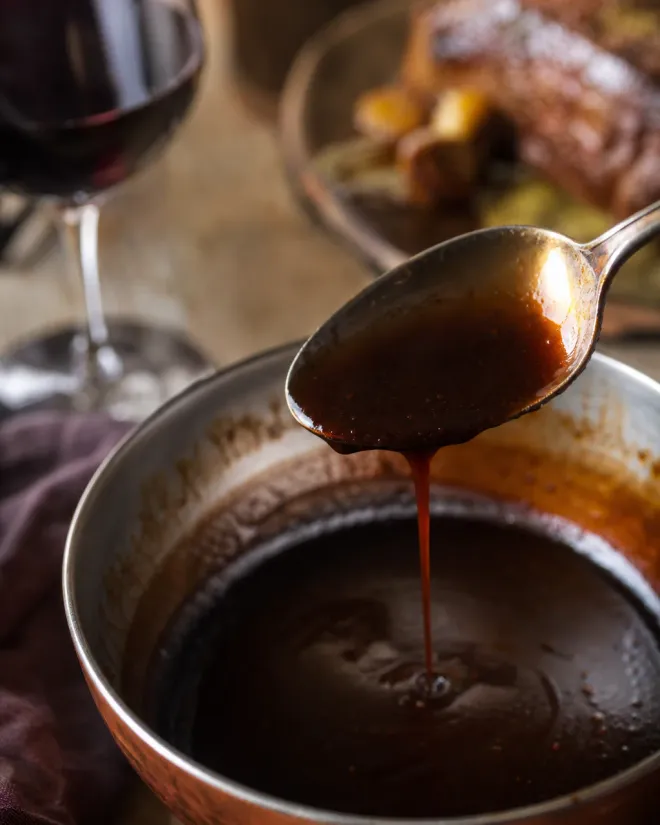 Plat Hard difficulty
Roasted bones, cold water, six hours of watching a pot refuse to boil — the brown stock under demi-glace and every great dark sauce. Level: hard, but only on your calendar.
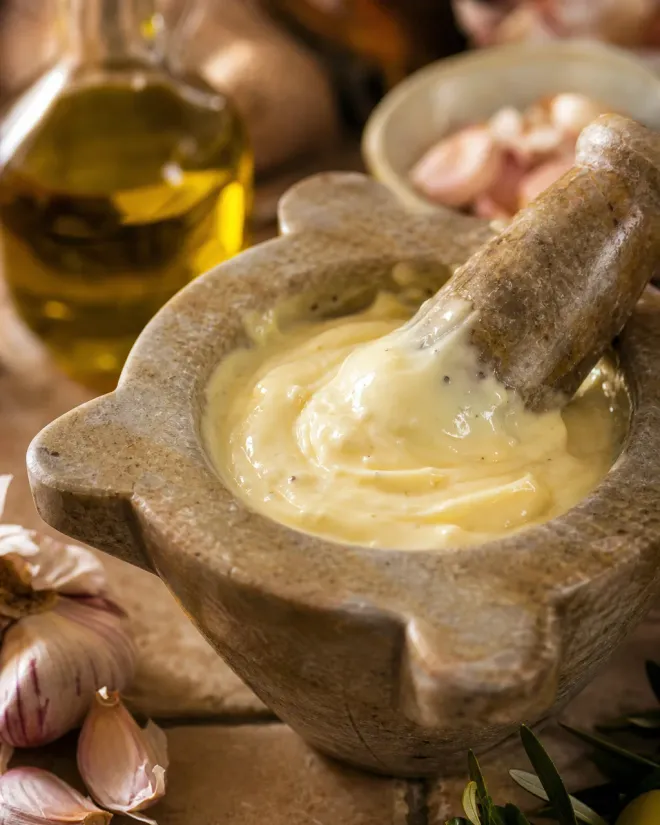 Plat Easy difficulty
Garlic pounded into oil until the paste turns ivory and stands up on a spoon. In Provence this is not a condiment — it is an occasion with a calendar slot.
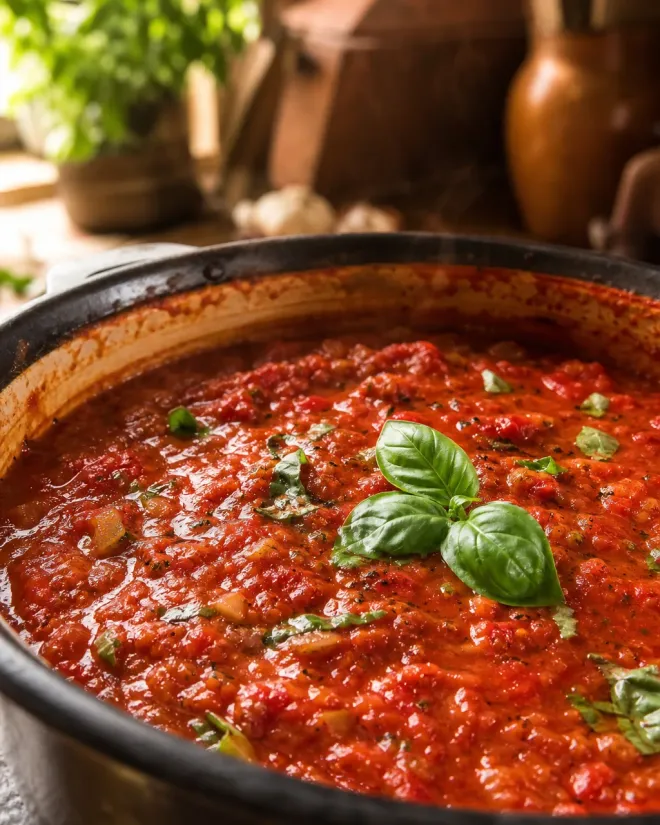 Plat Easy difficulty
The newest mother sauce and the last to be trusted — a foreigner who got its French citizenship in 1903, wearing a roux and salt pork. Simmered long, darkened deep, nothing like the quick stuff.
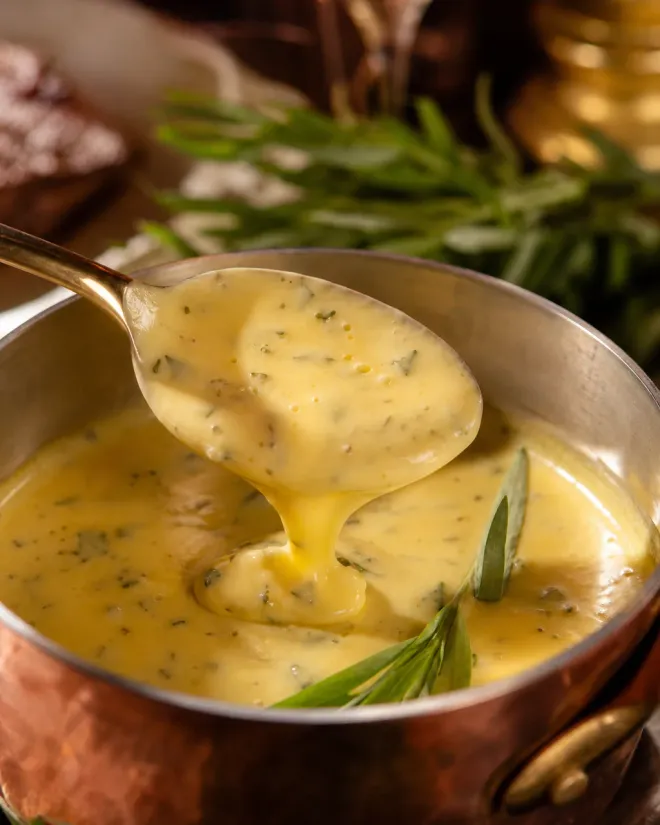 Plat Hard difficulty
Hollandaise's educated daughter — the same warm emulsion, raised on tarragon, shallots and white wine. Born in Paris in 1836, named after a king, eaten with steak ever since.
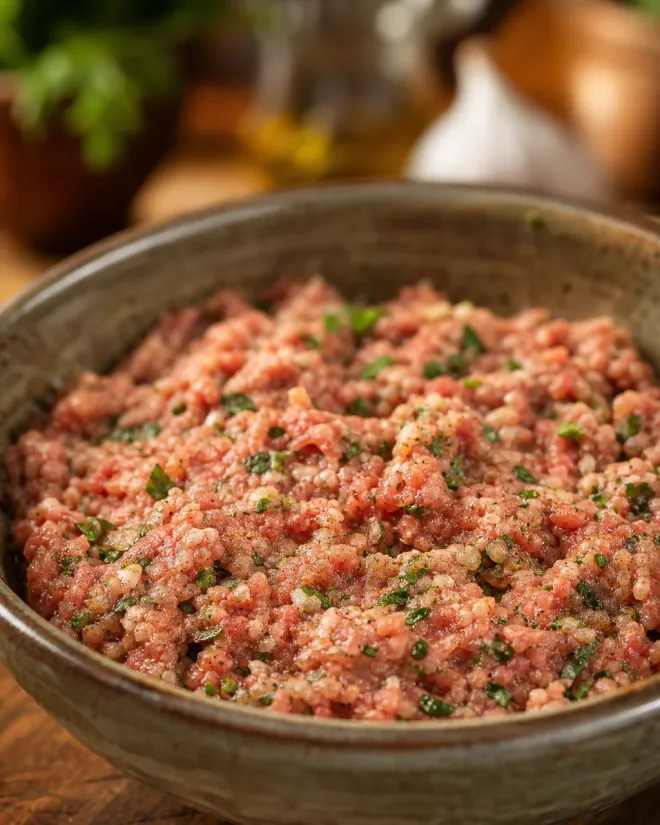 Plat Medium difficulty
Meat, fat and a binder in a balancing act disguised as stuffing. The French kitchen's most underestimated technique — and the only one you taste-test by poaching a spoonful.
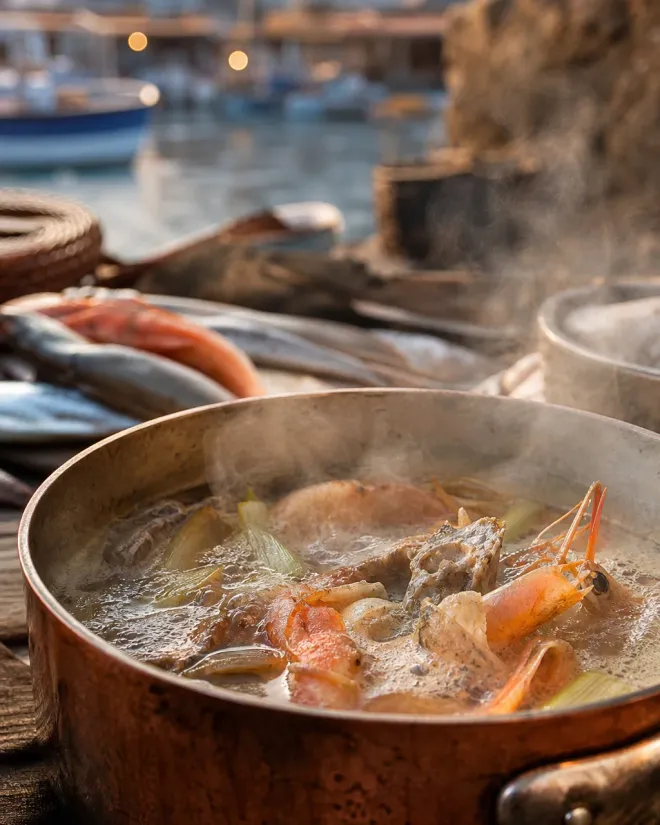 Plat Easy difficulty
Fish bones, white mirepoix, twenty-five minutes — the fastest of all the French stocks and the easiest to ruin by lingering. The sea's own fond, white as paper and gone bitter if you look away.
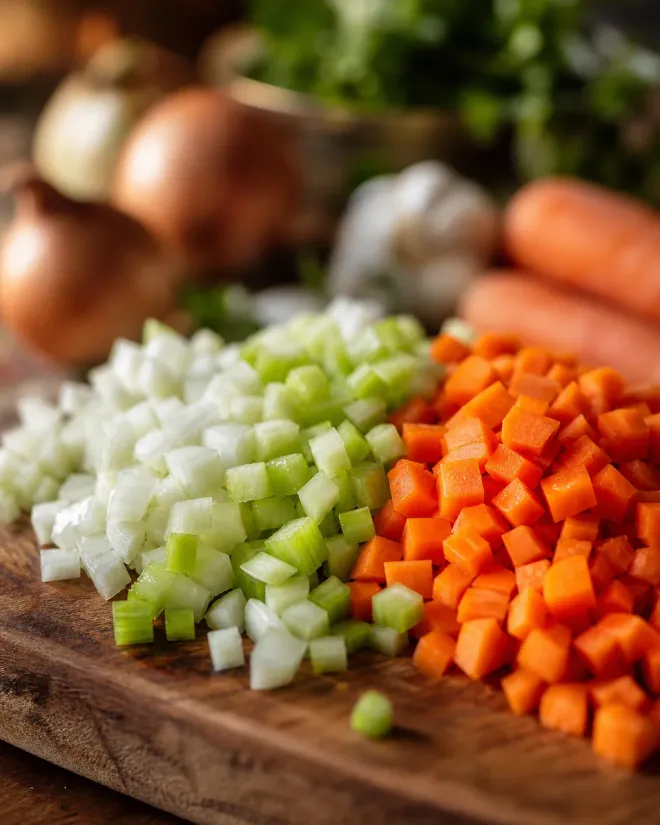 Plat Easy difficulty
Onion, carrot, celery — cut to a size, sweated to a color, and strained away before service. The most important vegetables in French cooking are the ones you never see.
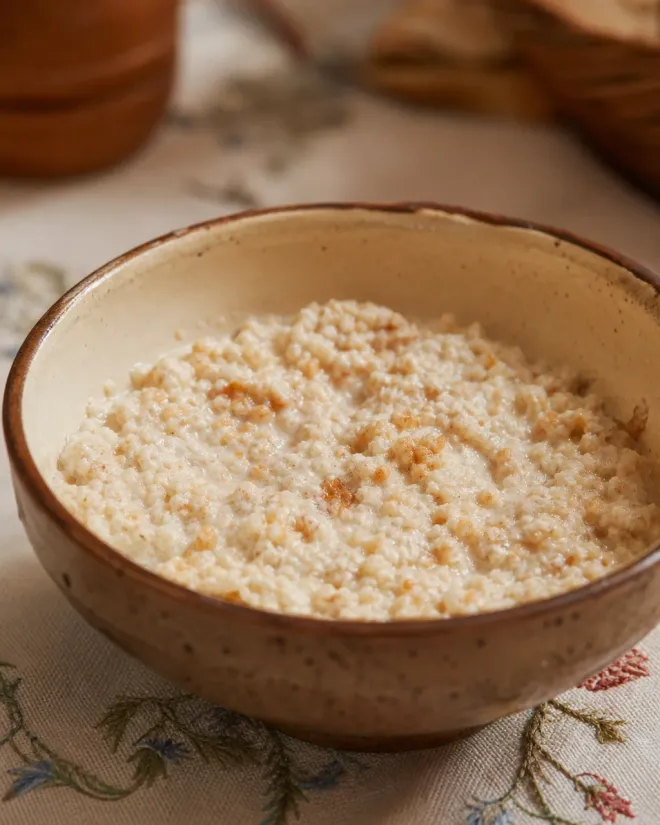 Plat Easy difficulty
Flour cooked into liquid and fat until it becomes paste — the humble starch base that becomes choux pastry, quenelles and every French farce that holds together.
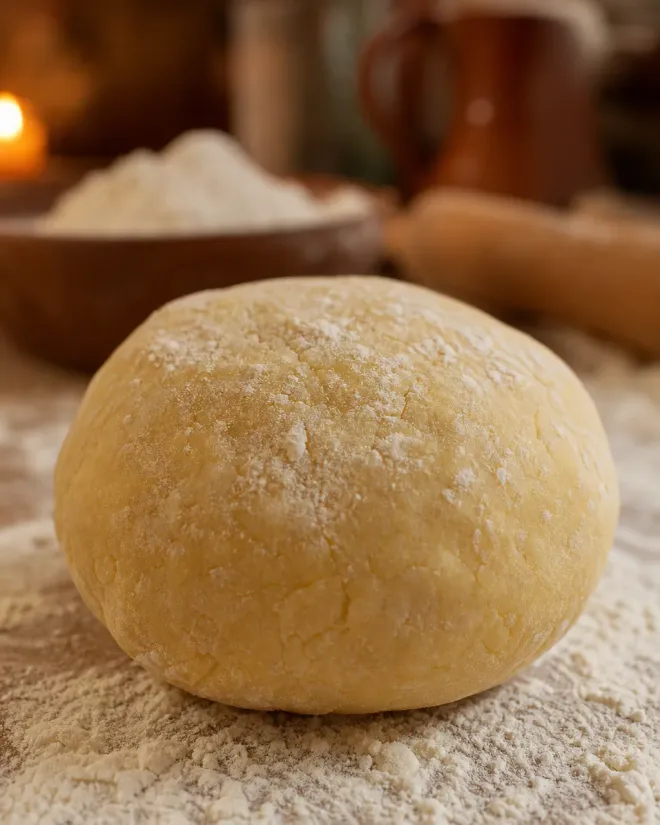 Plat Easy difficulty
Flour, butter, water, salt — and the discipline to stop before you ruin it. The workhorse crust of France, where every extra drop of water is a debt the oven will collect.
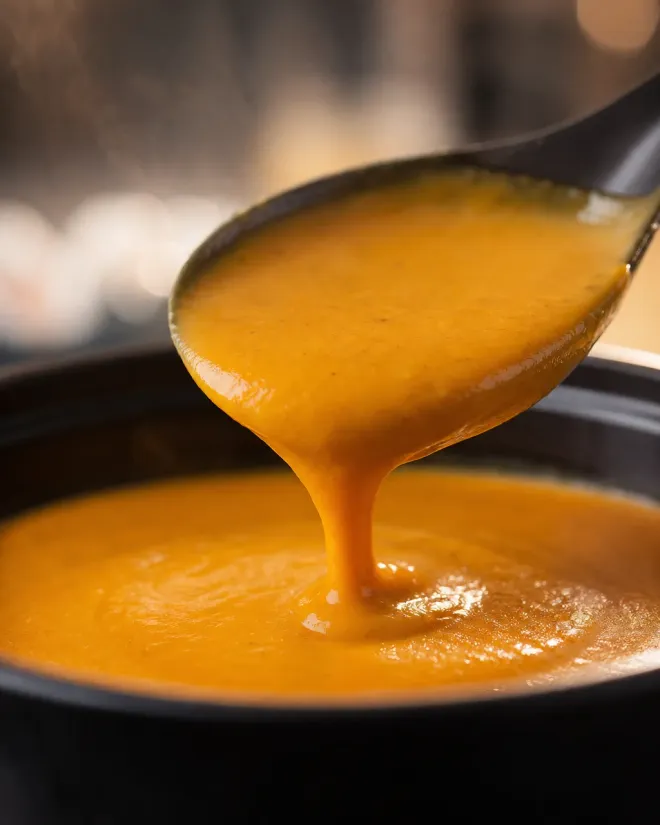 Plat Easy difficulty
Blond roux and white stock — the mother sauce named for the texture it demands. The velvet one of the family, and the ancestor of half the great fish and poultry sauces of France.
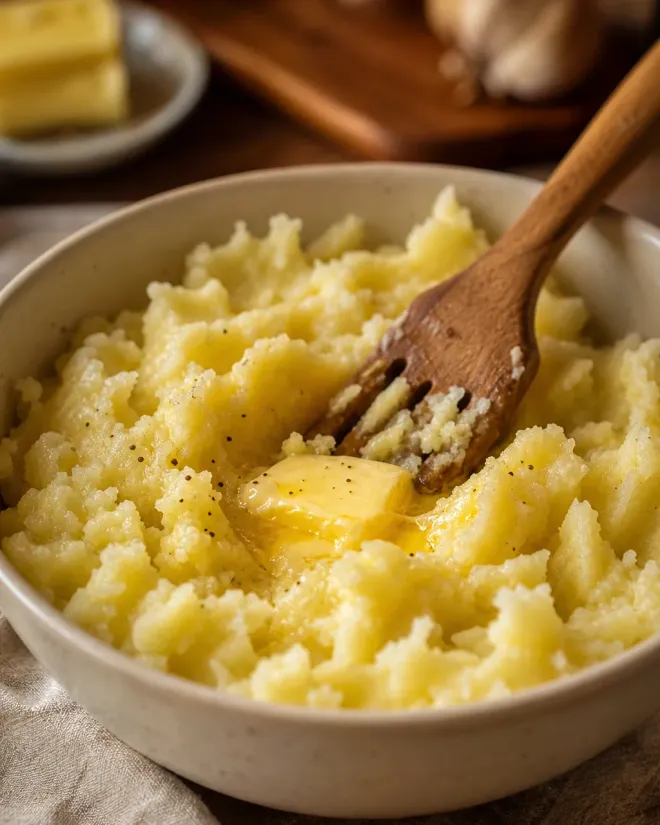 Plat Easy difficulty
France's mashed potato: fork-crushed, dried over the flame, finished with salted butter — and never, under any circumstances, allowed near a food processor.
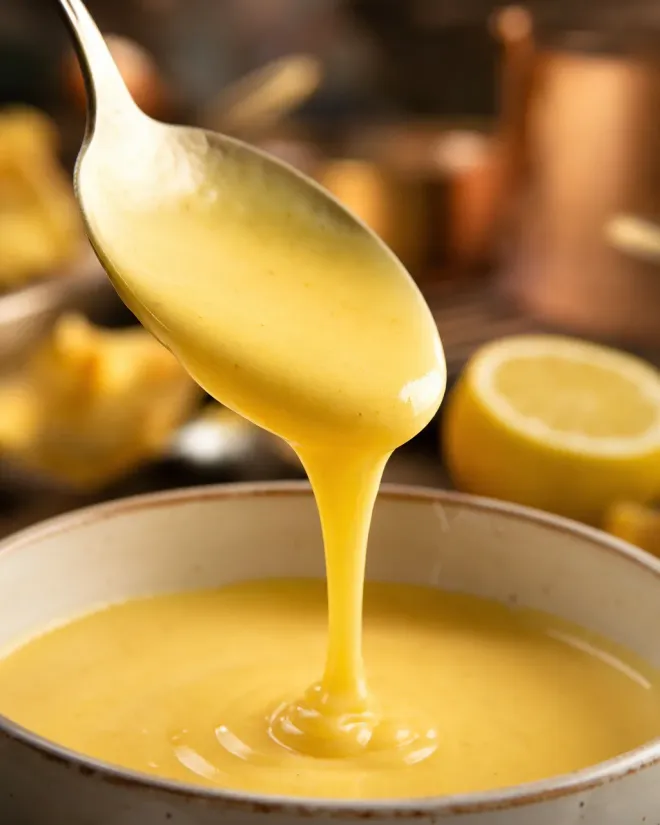 Plat Hard difficulty
Butter, yolks and acid balanced on sixty degrees of margin — the warm emulsion that crowns asparagus and haunts apprentice cooks. Feared, famous, and entirely fixable.
Beef bourguignon, coq au vin, blanquette de veau, cassoulet, bouillabaisse, pot-au-feu, steak au poivre, ratatouille and quiche Lorraine form the canon — what French families cook on Sundays and what bistros sell to everyone else.
The cheese-forward canon: fondue savoyarde, raclette, tartiflette (Reblochon melted over potatoes and bacon), aligot (cheese whipped into mashed potatoes until it stretches), gratin dauphinois, croque-monsieur and quiche Lorraine. For the wider culture — which cheese, when, with what — read the guide to French cheese.
A bottle you would drink a glass of. The salted bottles labeled cooking wine are beneath the dish and the cook; the grand cru is a way to burn money. After three hours of simmering, a decent village wine and a trophy are indistinguishable — the beef bourguignon article makes the full argument.
Split them in two. Weeknight French food — poulet à la crème, steak au poivre, omelettes, salads — lands in about thirty minutes. The famous pots run three to four hours, but mostly unattended: the oven does the work, and every one of them is better reheated the next day.