Course

French Dessert Recipes

35 recipes. The real French repertoire — custards, tarts, clafoutis and the pâtisserie monuments — in plain English, with grams and cups.

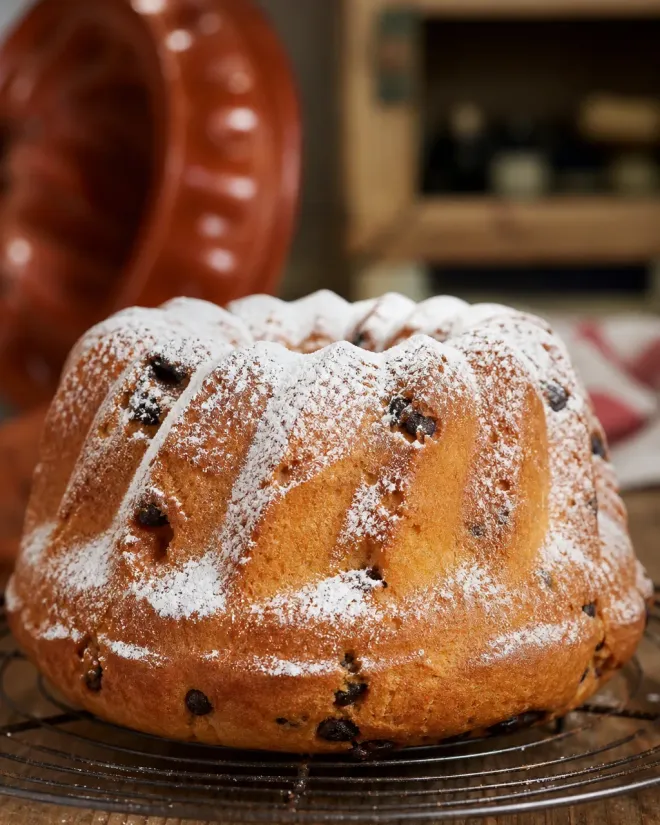
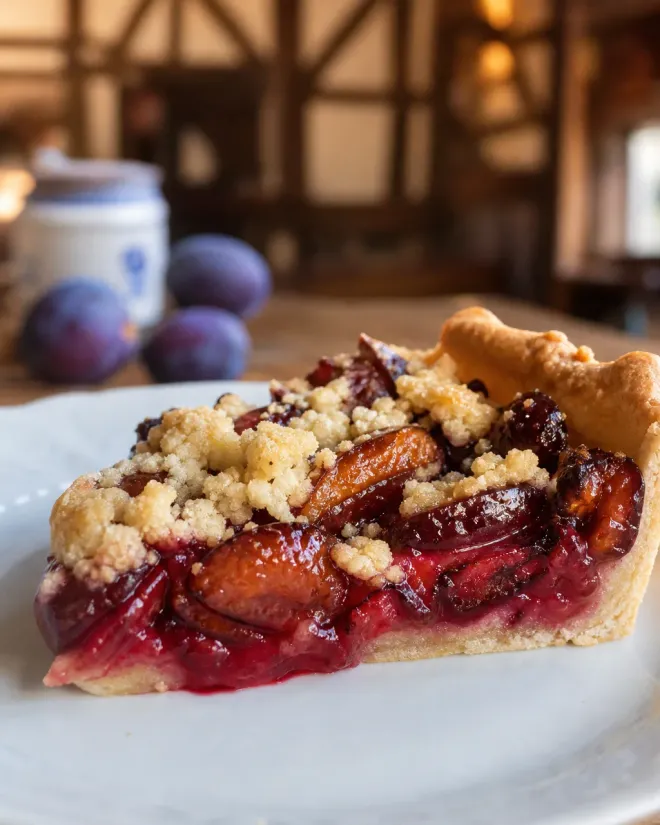
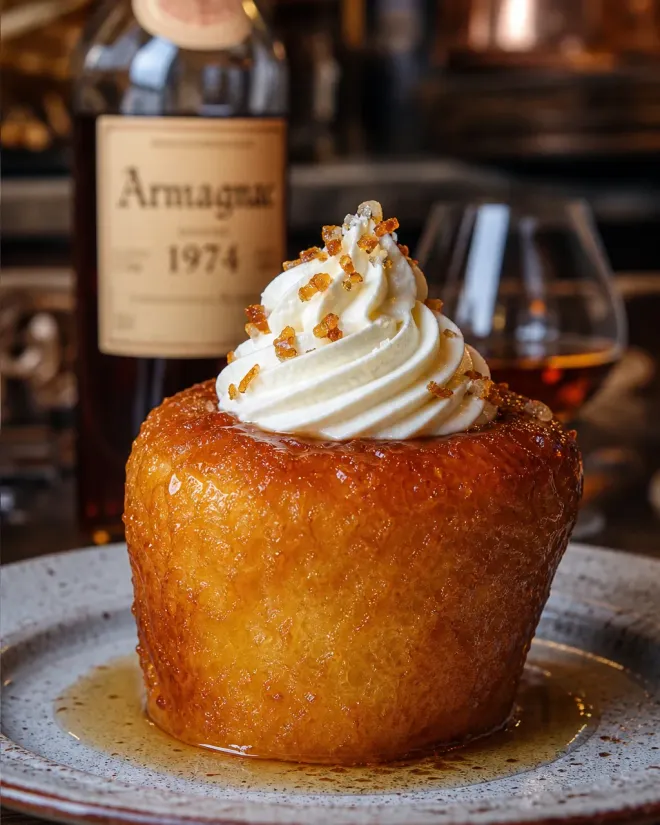
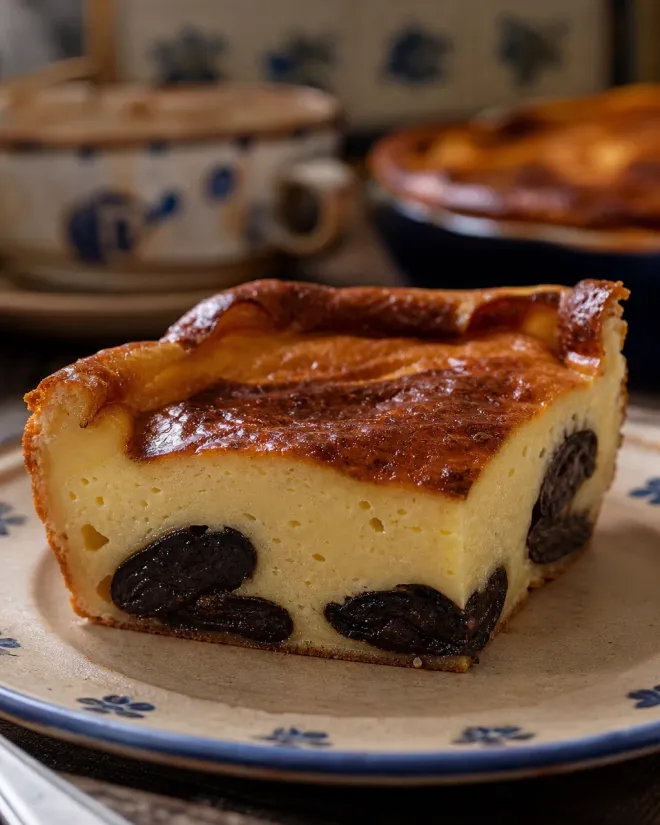
The French dessert reputation runs on a misunderstanding. The shop windows of Paris — the spun sugar, the mirror glazes, the little sculptures — are professional work, the way wedding cakes are, and no French home cook makes them on a Tuesday. What France actually bakes at home is a quieter repertoire: custards that are mostly eggs and cream, tarts that are mostly fruit, cakes that exist because a grandmother had yogurt pots to use up. This page is that repertoire — 35 desserts and counting — plus the pâtisserie monuments for when you want a project.

Every recipe explains the culture around it — when we eat it, which region claims it, the mistake every first-timer makes — and lists measurements in grams and cups, oven temperatures in Celsius and Fahrenheit. Difficulty is marked honestly: one baguette means a child could do it, three means clear an afternoon. Special equipment is rarely required; a broiler stands in for a torch, a whisk stands in for a stand mixer, and the grandmothers who invented half of this owned neither.

Start with the picks below. If you own a kitchen torch — or will buy one for ten minutes of glory — the crème brûlée has the best theater-per-effort ratio on this site. If you own nothing but fear, make the clafoutis.

Editor's picks

Where to start

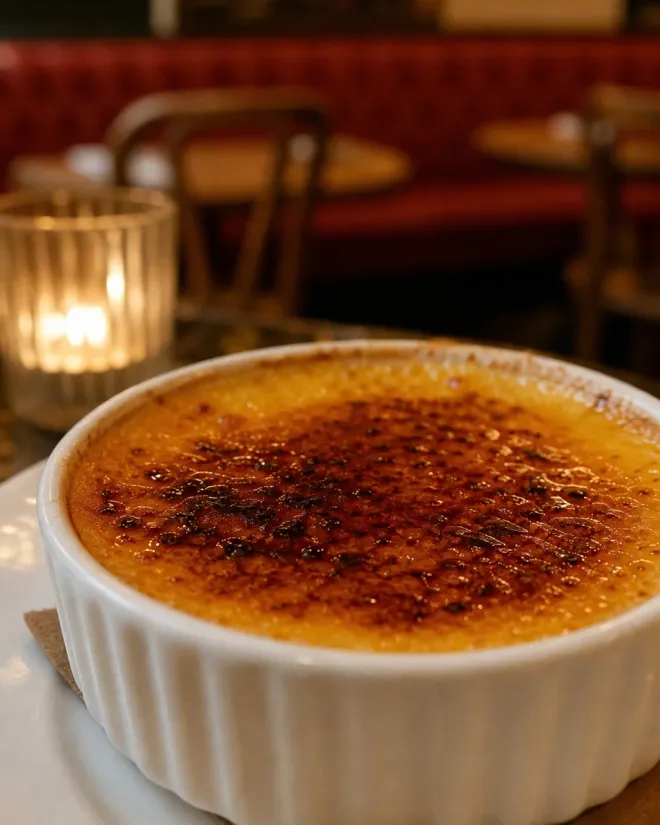
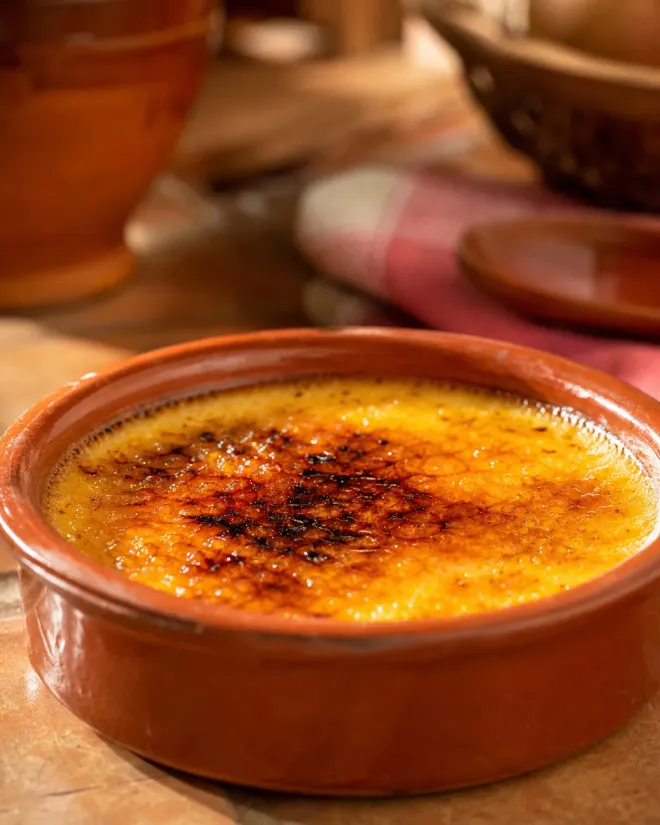
  1. Crème Brûlée

    Four ingredients, ten minutes of work, and the crack that silences a table. The torch is theater; a broiler does the same job.
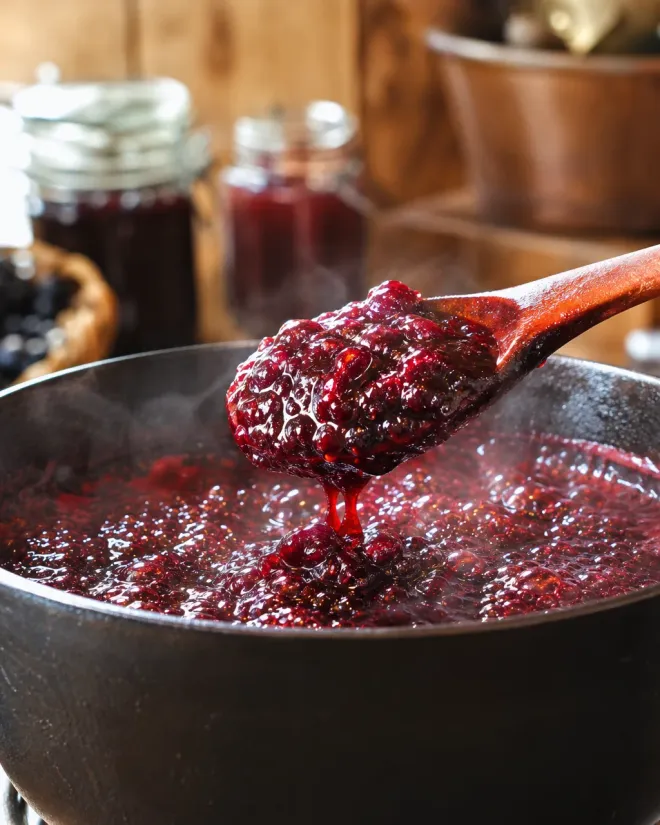
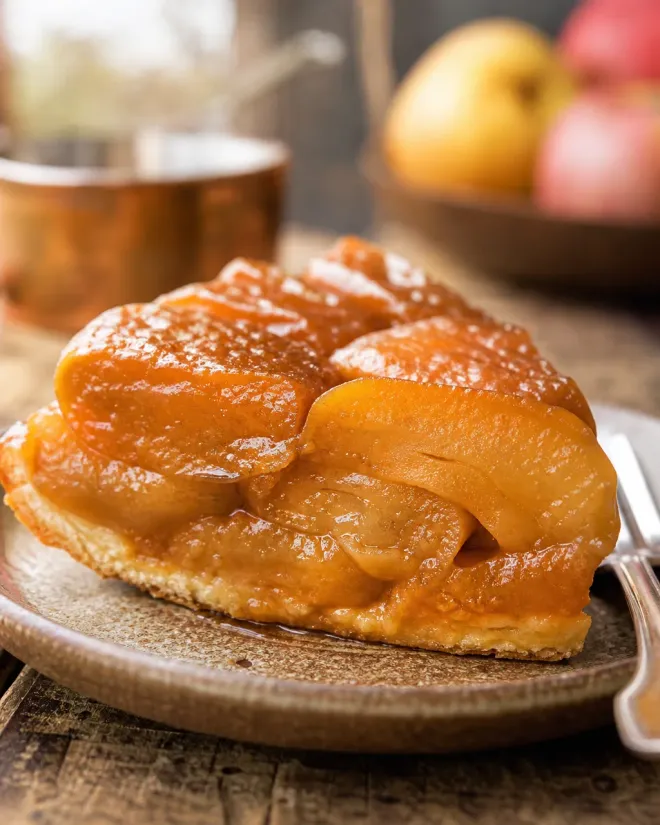
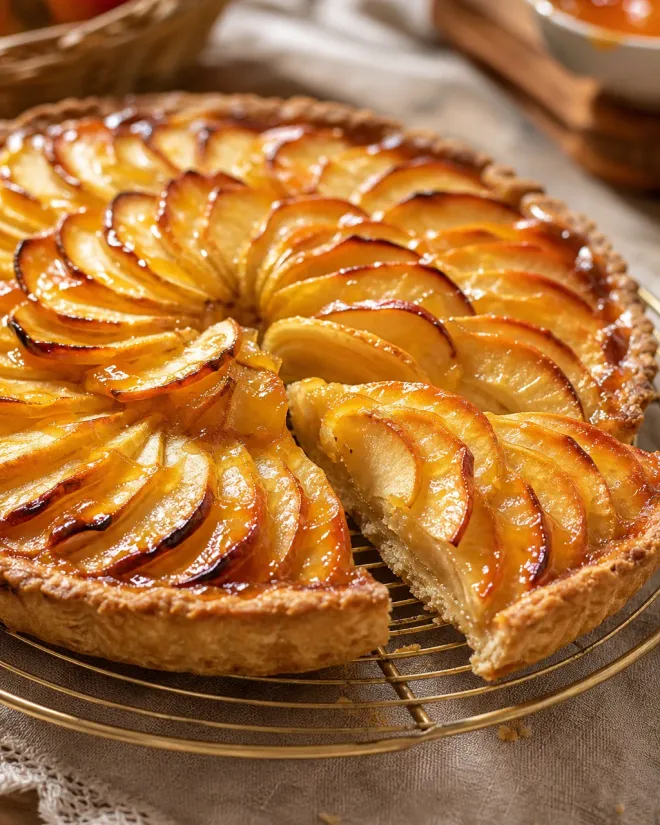
  2. Tarte Tatin

    The caramelized apple tart born from a hotel kitchen accident. Upside-down, buttery, unforgivable with crème fraîche.
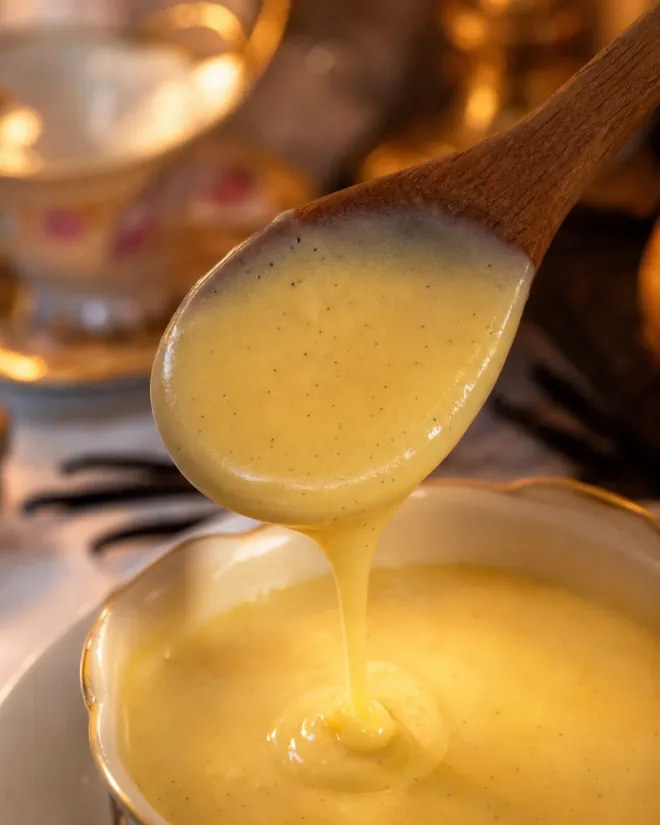
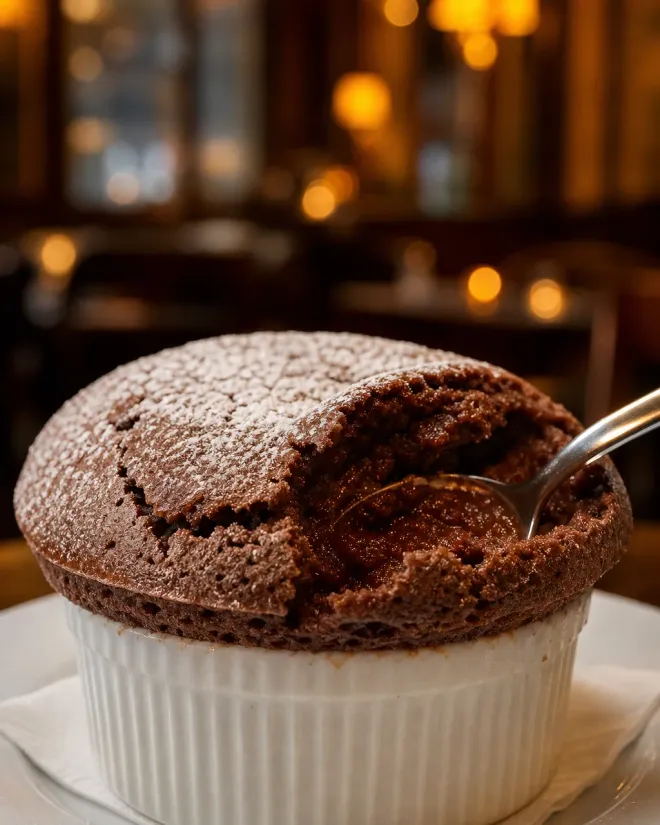
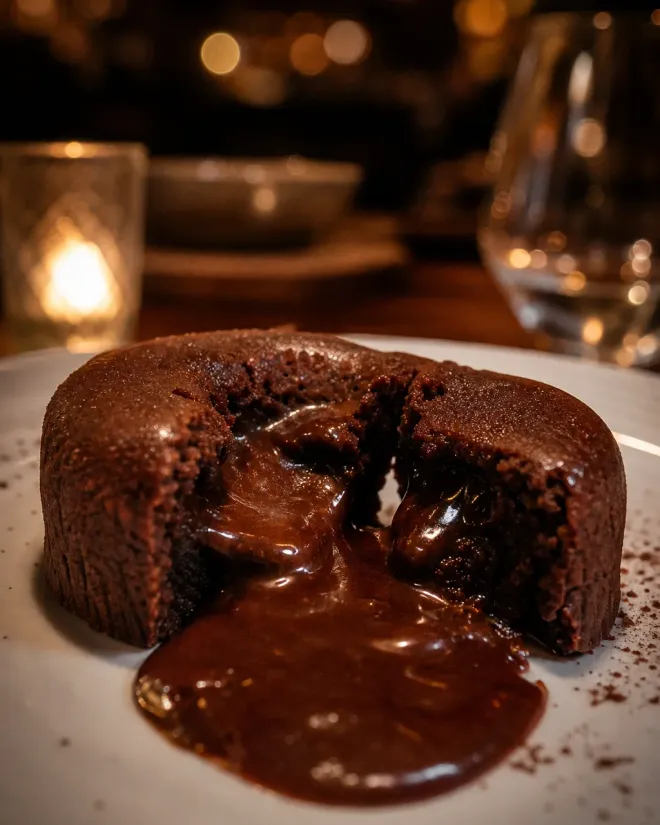
  3. Moelleux au Chocolat (Fondant)
    The molten chocolate cake French restaurants sell to Americans at criminal margins. Five ingredients, eight minutes of baking, zero survivors.

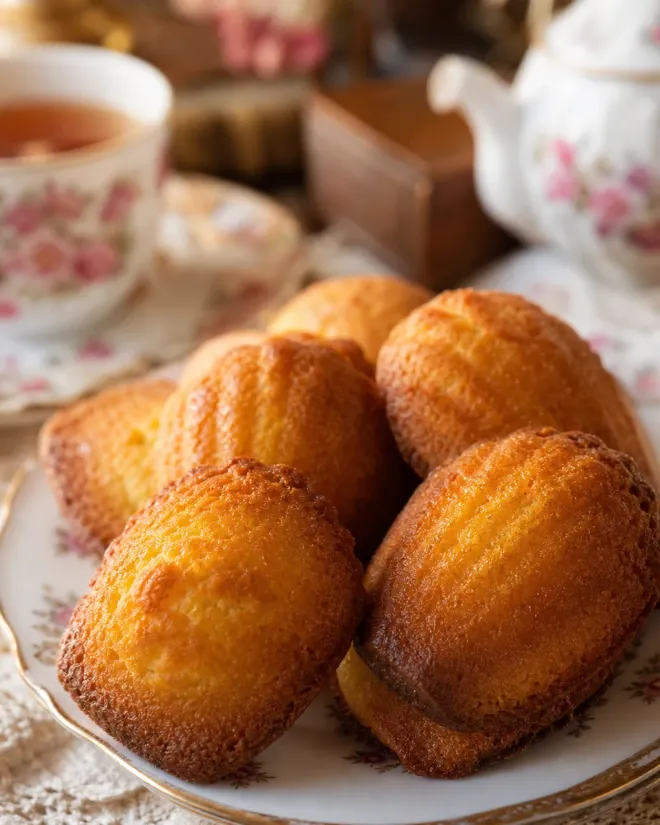
  4. Madeleines

    Shell-shaped cakes famous for their hump. The batter rests overnight; the psychology of the hump gets its own paragraph.

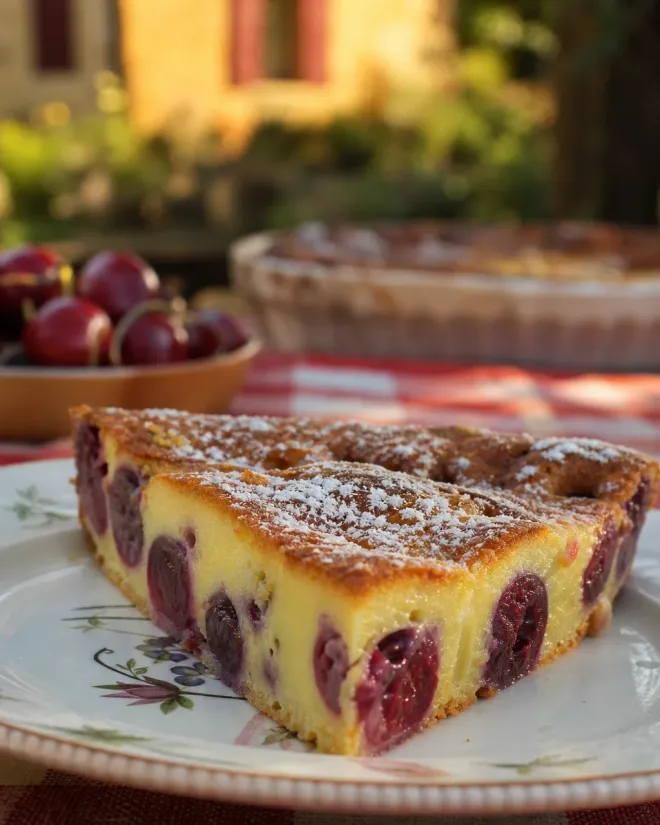
  5. Clafoutis

    Pancake batter poured over cherries. The easiest dessert on this site that still tastes unmistakably French.

Difficulty

Base

Base Dessert

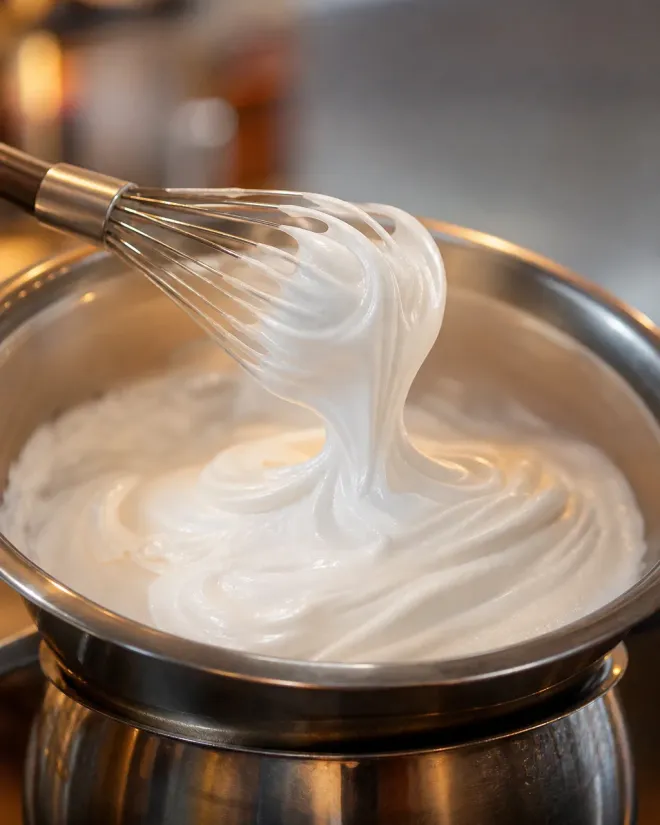
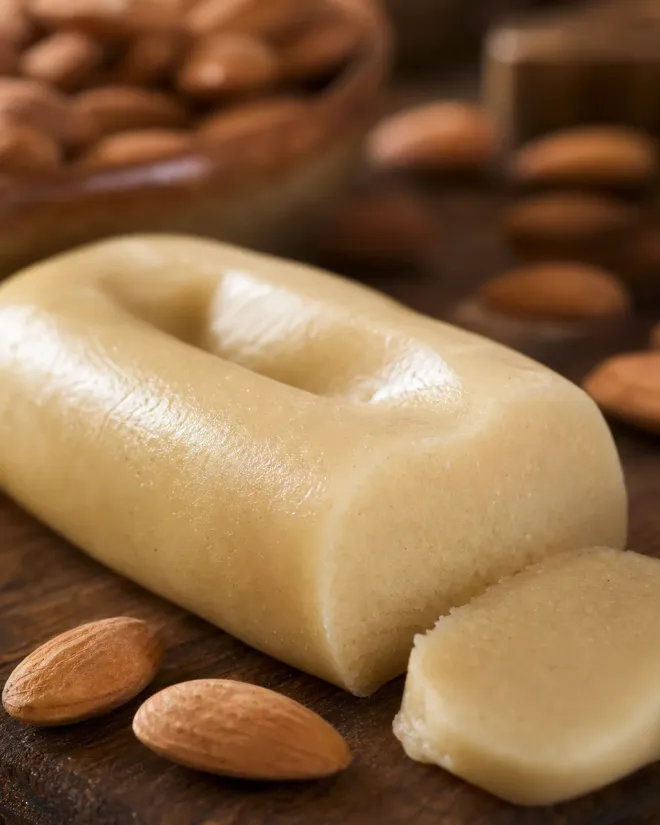
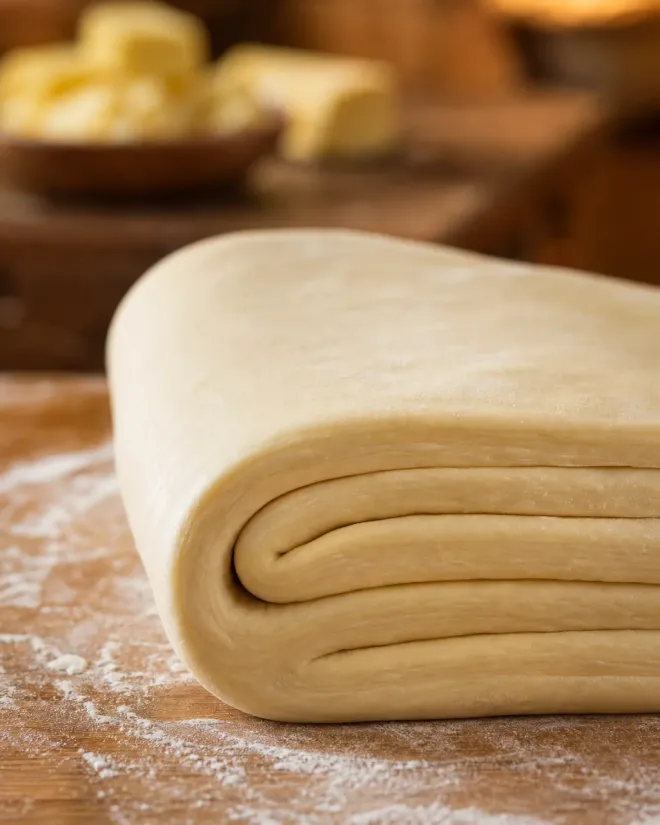
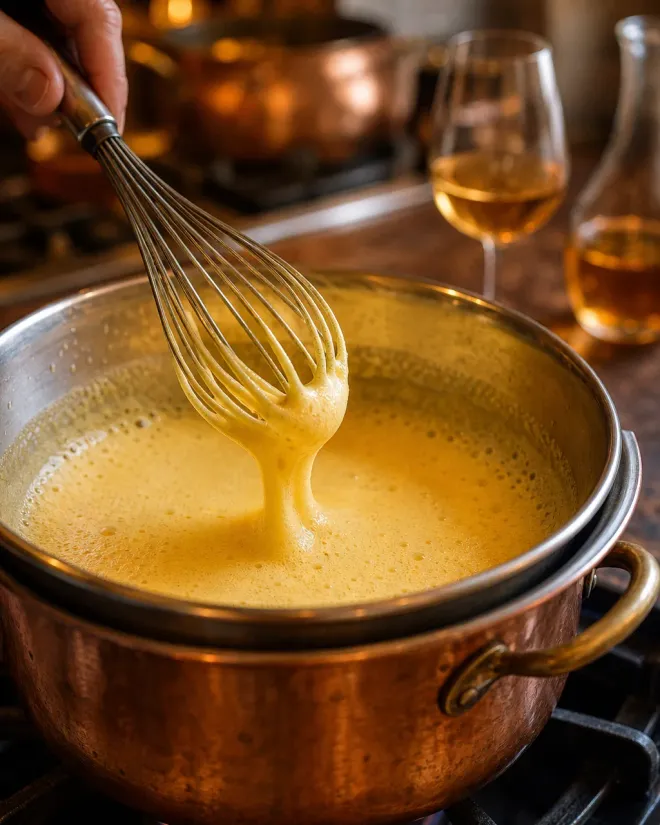
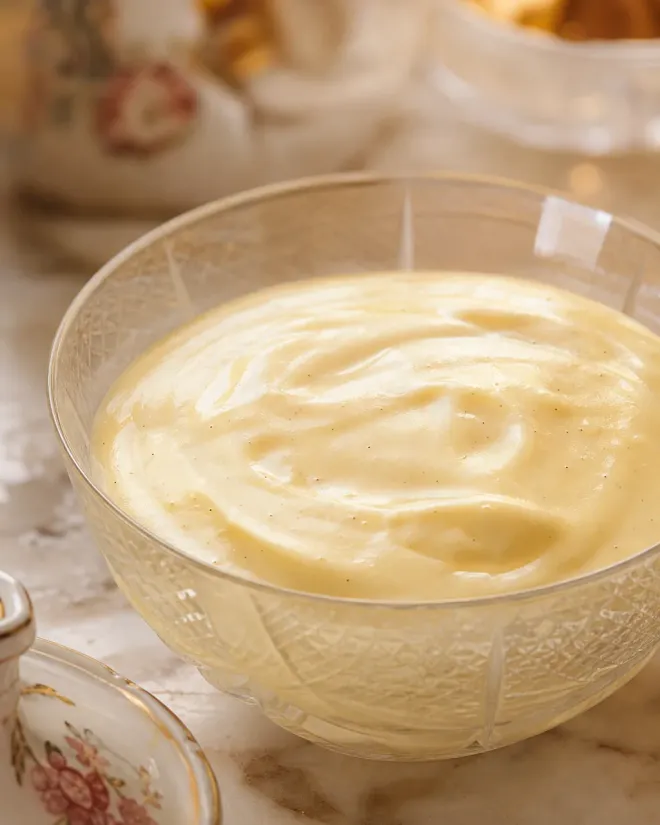
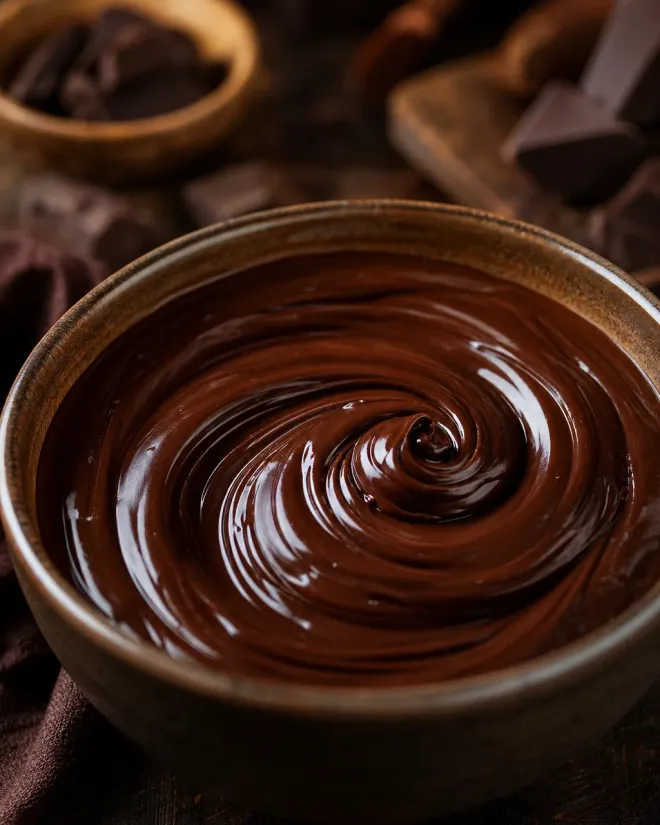
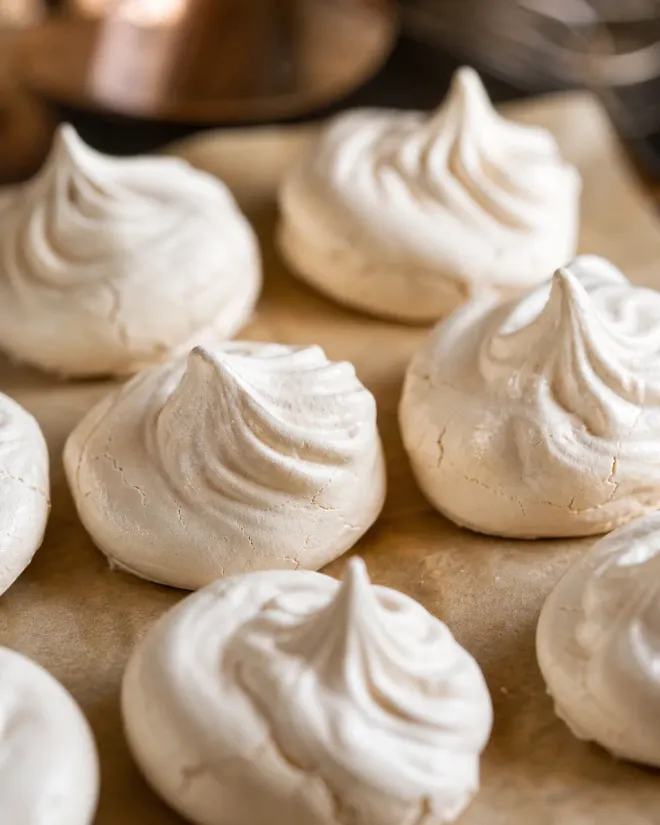
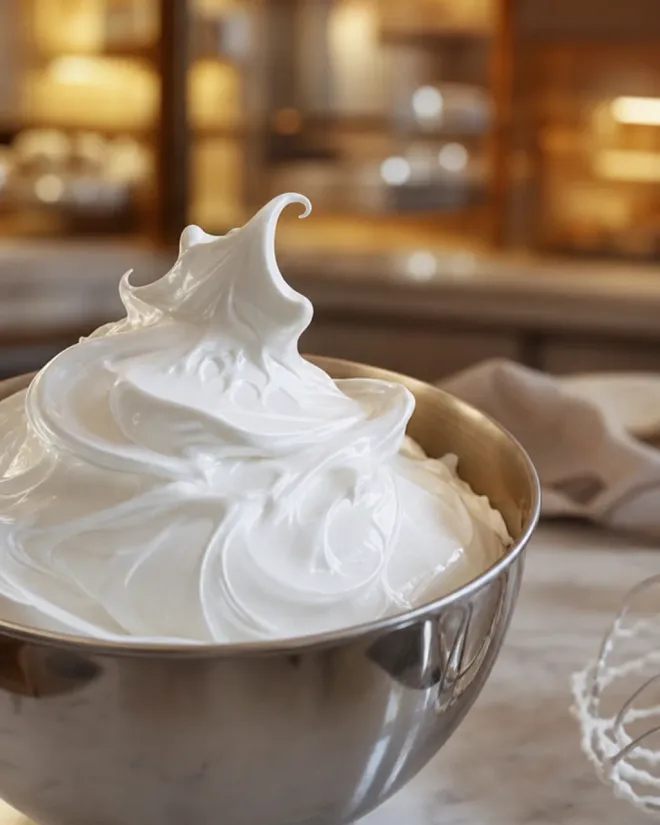
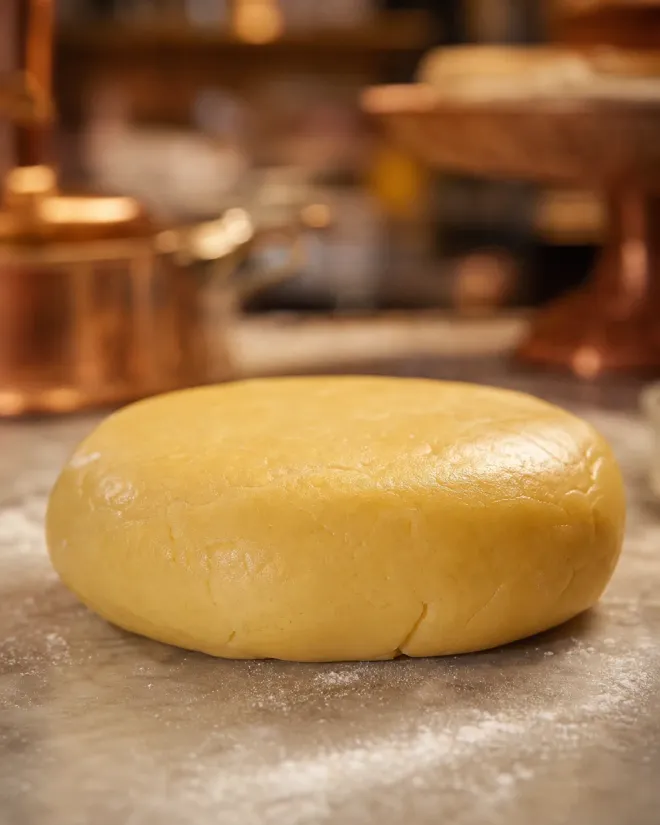
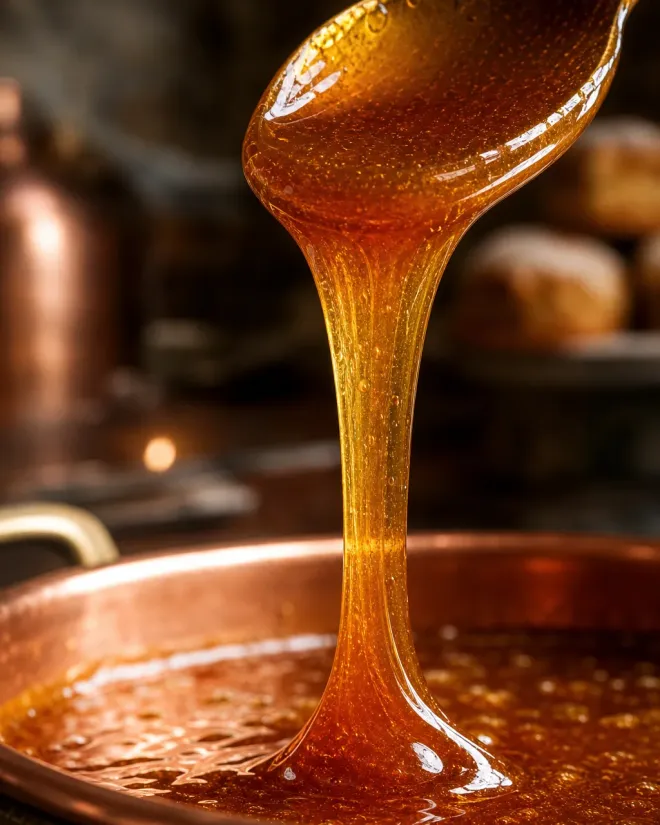
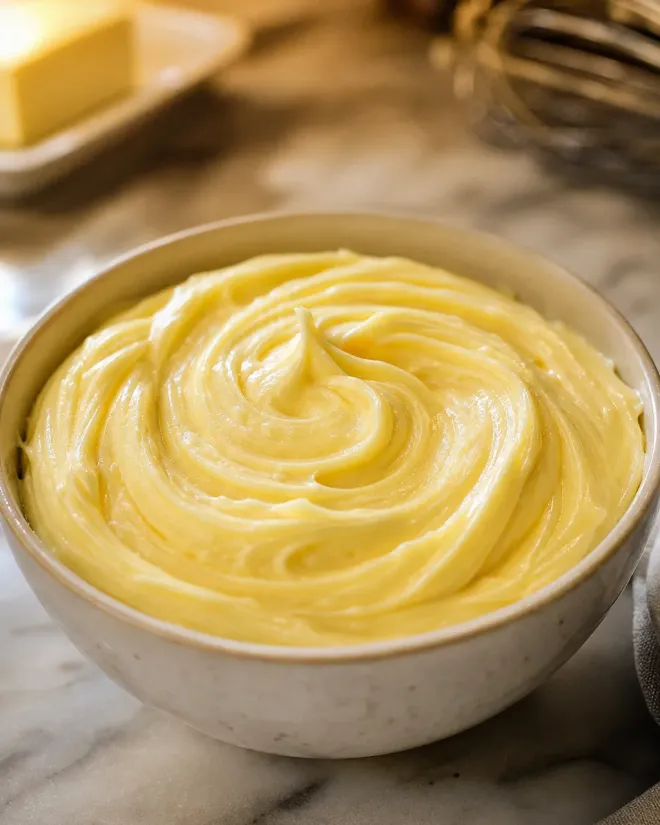
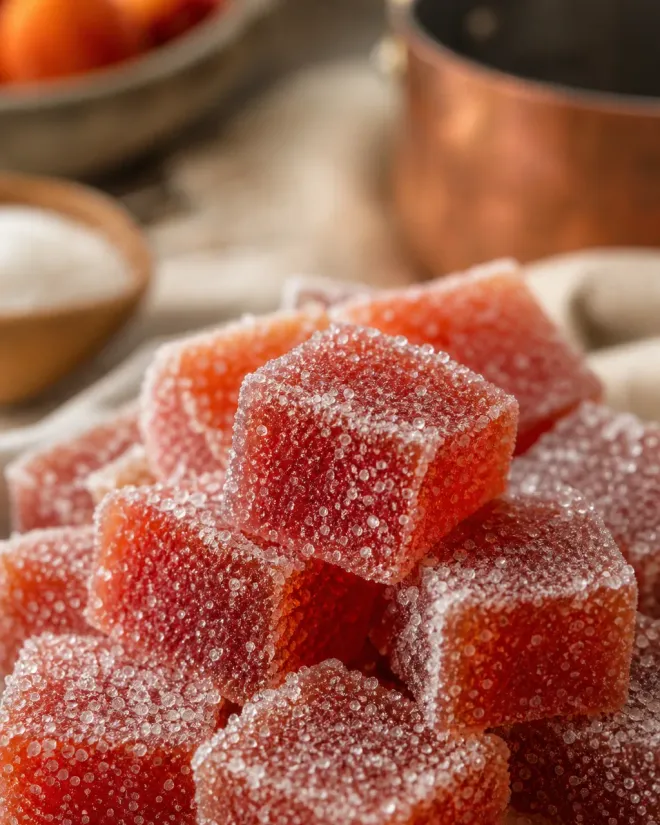
The foundations behind the french dessert recipes — techniques every recipe above quietly depends on. All the foundations →

FAQ

French dessert FAQ

Are French dessert recipes hard to make?

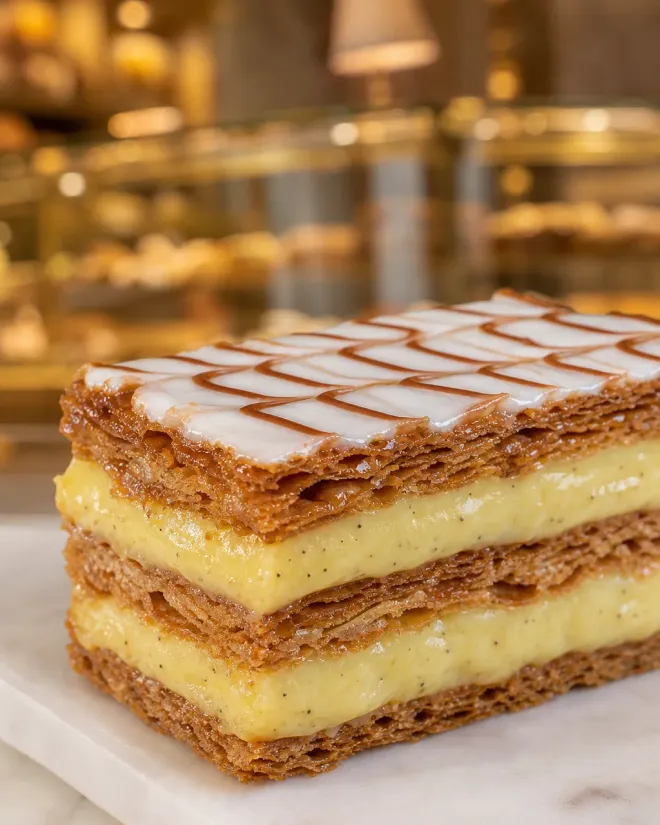
Most of them, no. The majority of the desserts on this site are marked easy — crème brûlée, clafoutis, mousse au chocolat and riz au lait are one bowl each, built on pantry staples. The genuinely hard ones are the pâtisserie builds — Saint-Honoré, mille-feuille, laminated doughs — and even those are broken into plain steps rather than left to intimidation.

What are the most popular French desserts?

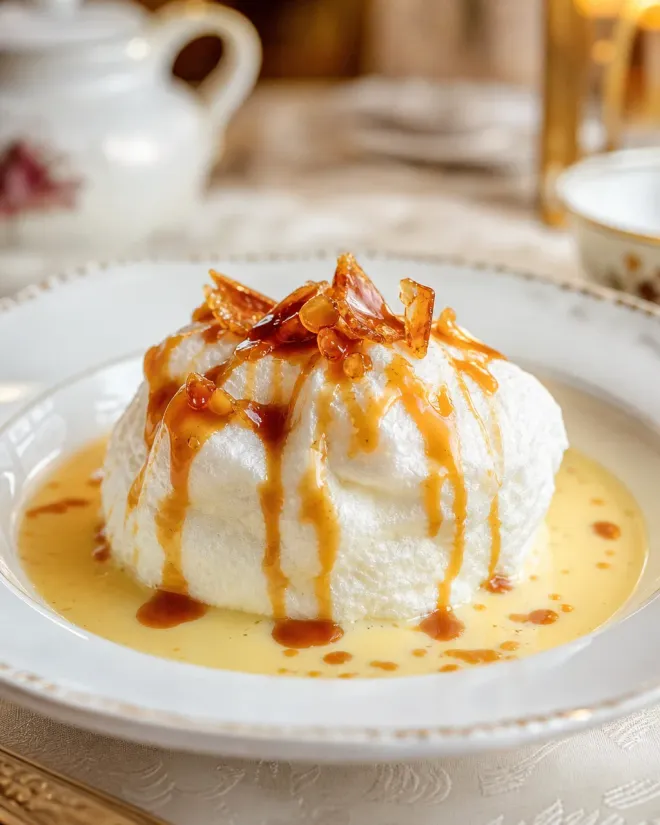
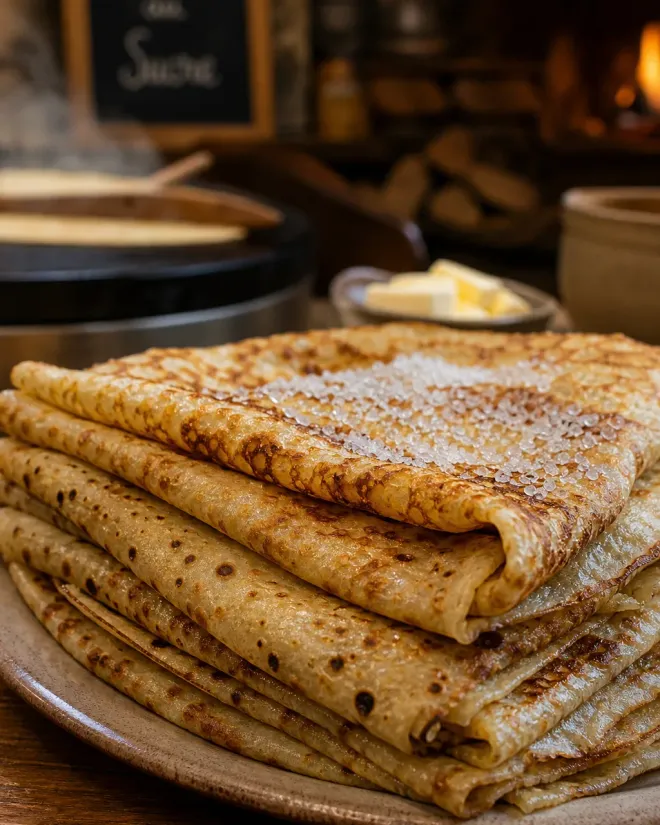
Crème brûlée, tarte Tatin, mousse au chocolat, crêpes, madeleines and île flottante are the canon — the ones every bistro keeps on the menu because everyone orders them. The crème brûlée has the earliest printed recipe of the group (1691); the Tatin is the best accident in French cooking.

Do I need special equipment to bake French desserts?

Almost never. A broiler caramelizes crème brûlée without a torch, a saucepan and a whisk cover most custards, and no French grandmother owned a stand mixer. A digital scale helps — every recipe gives grams — but cups and spoons are listed alongside.

What is the easiest French dessert for beginners?

Clafoutis: fruit in a dish, pancake batter over it, into the oven. Crème caramel and moelleux au chocolat are close behind, and all three are built to survive imperfect technique — the caramel forgives, and the molten center is supposed to look underbaked.